
A replacement Ethernet module can restore production while leaving an important question unanswered: who now owns its cybersecurity decisions? Maintenance may close the breakdown work order, purchasing may close the delivery, and the machine builder may consider its original commissioning scope complete. None of those actions necessarily assigns responsibility for reviewing the next firmware advisory.
Rockwell Automation’s October 29, 2026 SecureOT announcement for machine builders is a useful prompt to examine that gap. The announcement describes OEM-focused cybersecurity capabilities spanning asset visibility, assessments, vulnerability identification and ongoing machine-lifecycle support. It is not an advisory declaring the communication modules discussed here vulnerable. The maintenance implication is our analysis: replacement acceptance should transfer a continuing responsibility, not just a functioning piece of hardware.
The spare changes an asset, not the ownership agreement
Consider a hypothetical packaging line whose Ethernet communication module fails during a planned production run. A qualified technician installs an approved spare, restores the authorized configuration and completes the plant’s functional checks. Communications return. The replacement nevertheless has its own serial number, hardware series and firmware revision. It may also arrive with a different documented service history from the failed unit.
If the asset register still describes the removed module, the next advisory review may examine the wrong configuration. If nobody has responsibility for resolving that discrepancy, discovering it depends on chance. The answer is not to demand a large new software platform for every repair. It is to attach a small, explicit ownership record to the existing maintenance process.
For an installed Allen-Bradley 1756-EN2T communication module, the purchase request should identify the required hardware and acceptance evidence. The plant should separately identify who will reconcile the delivered unit with the approved engineering baseline. A supplier’s commercial confirmation cannot make that operational decision on behalf of the asset owner.
Assign four decisions to named roles
First, assign someone to capture the as-installed identity. This is normally the maintenance or controls role performing the controlled replacement. The record should connect the physical label, recorded firmware, work order, cabinet location and removed-unit disposition. A photograph alone is insufficient when the relevant software information is only available through an authorized diagnostic method.
Second, assign advisory screening. An OT security specialist or other designated owner should decide whether a vendor notice actually applies to that installed version and deployment. An alert about a product family is not automatically a reason to stop a machine. Conversely, a successful production restart is not evidence that an applicable cybersecurity issue has disappeared.
Third, assign change approval. Controls engineering, operations and the responsible safety personnel must evaluate proposed changes under the site’s normal procedures. A firmware recommendation may involve compatibility, qualification, downtime and rollback considerations. The person buying a spare should not be left to infer an approved firmware version from the latest downloadable file.
Fourth, assign closure. Someone should confirm that approved work was completed, the baseline was updated and any deferred action has an owner and review date. Without that final step, a temporary acceptance can become an undocumented permanent arrangement.
Keep commercial evidence separate from engineering authority
A useful RFQ asks for exact catalog identity, available hardware-series information, condition, photographs of the offered unit, stated test scope and any known firmware information. Unknown information should remain explicitly unknown until checked. Avoid language such as “latest firmware required” unless engineering has already approved that requirement for the installation.
The same boundary applies when considering a 1756-EN2TR spare for a documented ControlLogix installation. Similar naming does not establish an authorized substitute for another communication module. Match the installed architecture and approved specification; do not turn a sourcing conversation into an unreviewed network redesign.
Purchasing can make the process more reliable by requesting the evidence before shipment and attaching it to the work order. It should not promise that a component purchase confers regulatory compliance, proves a machine secure or includes ongoing OEM cybersecurity services. Those are separate questions with separate scopes.
A handover small enough to survive an urgent repair
Use one short record containing the asset location, old and new identities, approved configuration reference, acceptance result, unresolved issues, responsible reviewer and next review trigger. A trigger can be a relevant advisory, a configuration change or the next scheduled engineering review. It need not mean a fixed calendar meeting for every spare.
For urgent work, capture the minimum reliable evidence immediately and assign completion of the remaining record to a named person. Do not allow an empty field to imply that a check passed. “Not verified at restart” is more useful than a confident but unsupported entry that prevents follow-up.
Retain the removed unit’s identity until failure investigation and disposition are complete. Otherwise a later return, repair or exchange can separate the technical evidence from the component that generated it. This is particularly important where several identical-looking modules circulate between a central store and multiple production lines.
Questions from maintenance and purchasing
Does the SecureOT announcement mean our existing module is unsafe?
No. A service-capability announcement is not a product-specific vulnerability finding. Review applicable vendor advisories against the exact installed hardware, firmware and deployment. The announcement supports a discussion about lifecycle responsibility, not a blanket replacement instruction.
Should every replacement receive the newest firmware?
Not automatically. Engineering should approve the target version after checking compatibility, relevant security information and the site’s validation requirements. Procurement should request evidence of the supplied version rather than selecting a firmware policy independently.
Can the spare supplier own the entire cybersecurity handover?
A supplier can provide agreed delivery evidence and technical information within its service scope. The plant still needs an accountable owner for installation acceptance, operational risk decisions and continuing advisory review. Put any additional contracted support in writing.
What should accompany an urgent quotation request?
Provide the full part number, hardware-series requirement if established, installed firmware information, quantity, destination and condition preference. Mark unknown items clearly. Include the contact who can resolve engineering questions before an unsuitable unit is shipped.
For a ControlLogix communication-module inquiry, send NINERMAS the installed label and approved requirement. We can review the sourcing request and requested delivery evidence; your engineering team retains approval of the final installation and cybersecurity baseline.
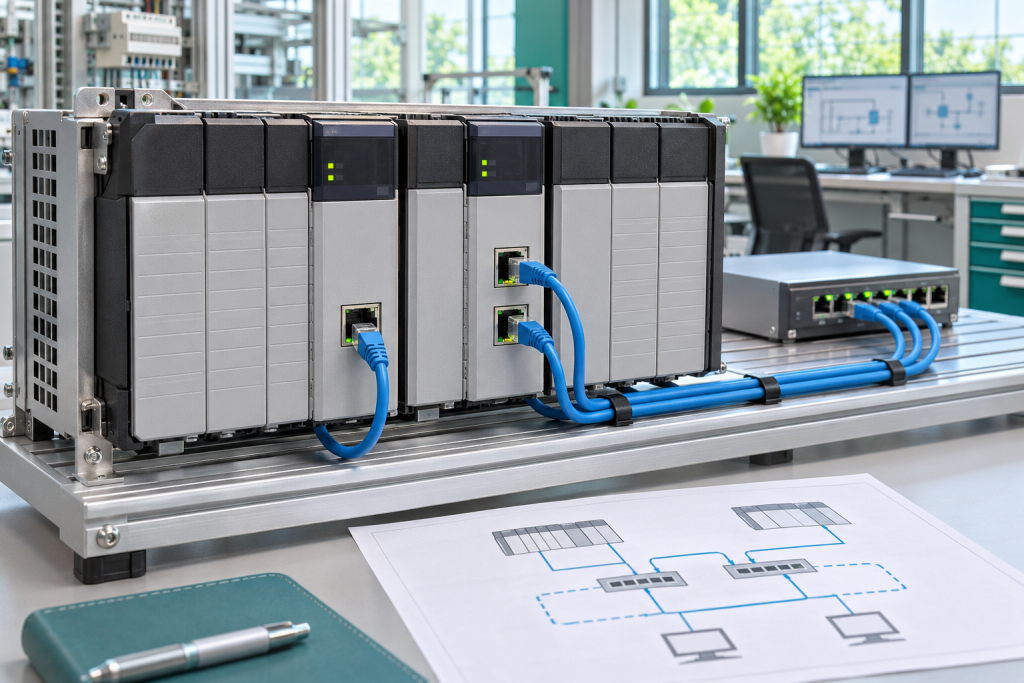
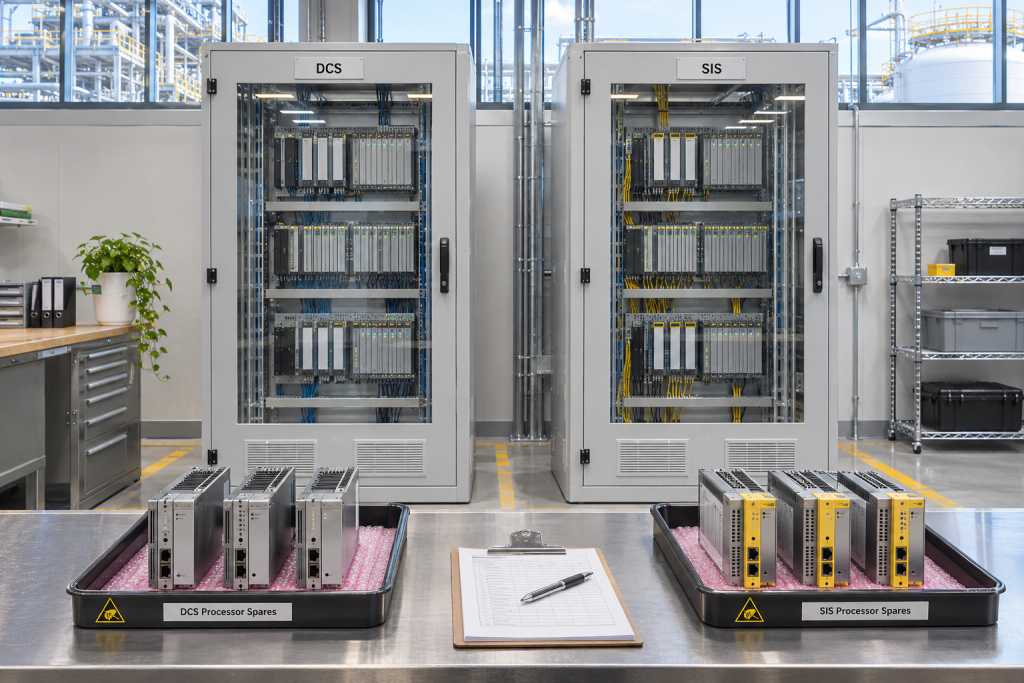
Image: AI-generated editorial illustration, not an exact product photograph or installation reference.
© 2026 NINERMAS. All rights reserved. Official Website: https://ninermas.com Inquiry: sale@ninermas.com | WhatsApp/Tel: +86 18750215667
Next Step
Move the research into a cleaner RFQ.
Send the part number, quantity, condition expectation, destination, and timing details so the sourcing team can reply with better availability and lead-time context.