On May 5, 2026, the Cybersecurity and Infrastructure Security Agency (CISA) released a series of high-priority advisories targeting vulnerabilities in major industrial control systems, specifically from Hitachi Energy and ABB. For those of us who have spent decades in the trenches of DCS and PLC maintenance, these alerts are more than just technical documentation—they are a wake-up call regarding the fragility of aging infrastructure. When a vulnerability is flagged in a system that hasn’t seen a new firmware update in years, the challenge shifts from IT patching to a deep-dive into procurement strategy.
As an expert advisor at NINERMAS with over 20 years of experience in DCS/PLC/SIS life cycle management, I’ve seen this pattern play out repeatedly. A “critical vulnerability” is identified, but the manufacturer has already moved the system to the legacy or EOL (End-of-Life) phase. In this environment, your ability to secure the plant depends as much on your spare parts inventory as it does on your network firewall. Today, we’ll explore why the latest CISA advisories make reliable spare parts sourcing a non-negotiable part of your security posture.
Decoding the May 2026 Hitachi and ABB Alerts
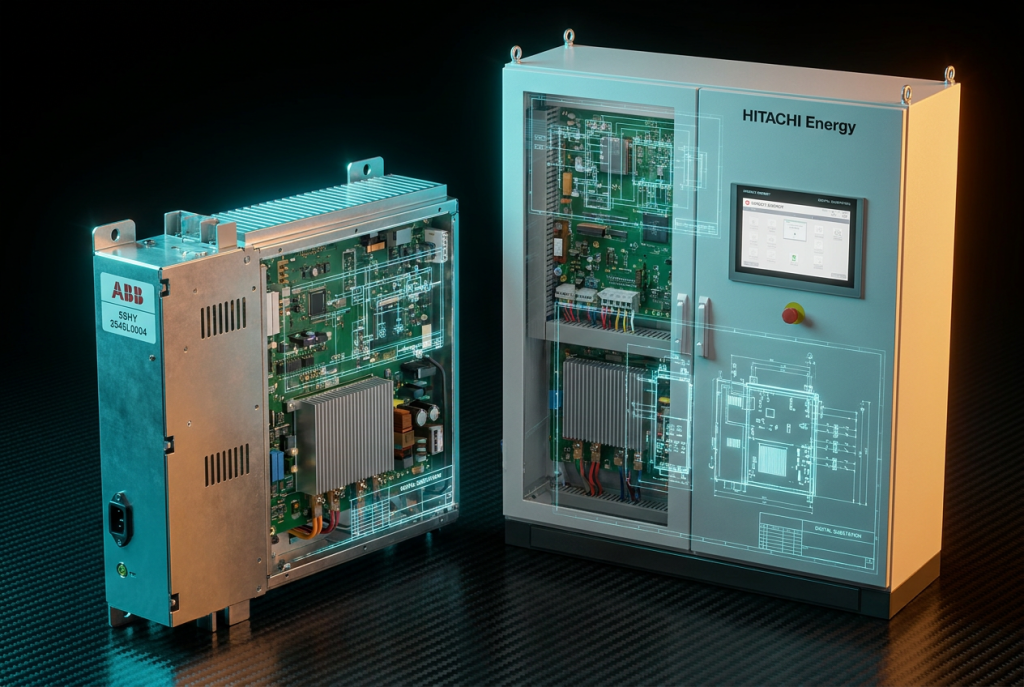
The latest advisories (including ICSA-26-125-01 and related ABB bulletins) highlight issues ranging from improper authentication to resource exhaustion in legacy communication stacks. For Hitachi Energy platforms and ABB legacy controllers, these vulnerabilities often reside in modules that facilitate external data exchange. The risk is clear: an unauthenticated actor could potentially disrupt operations or, worse, gain control over safety-critical parameters.
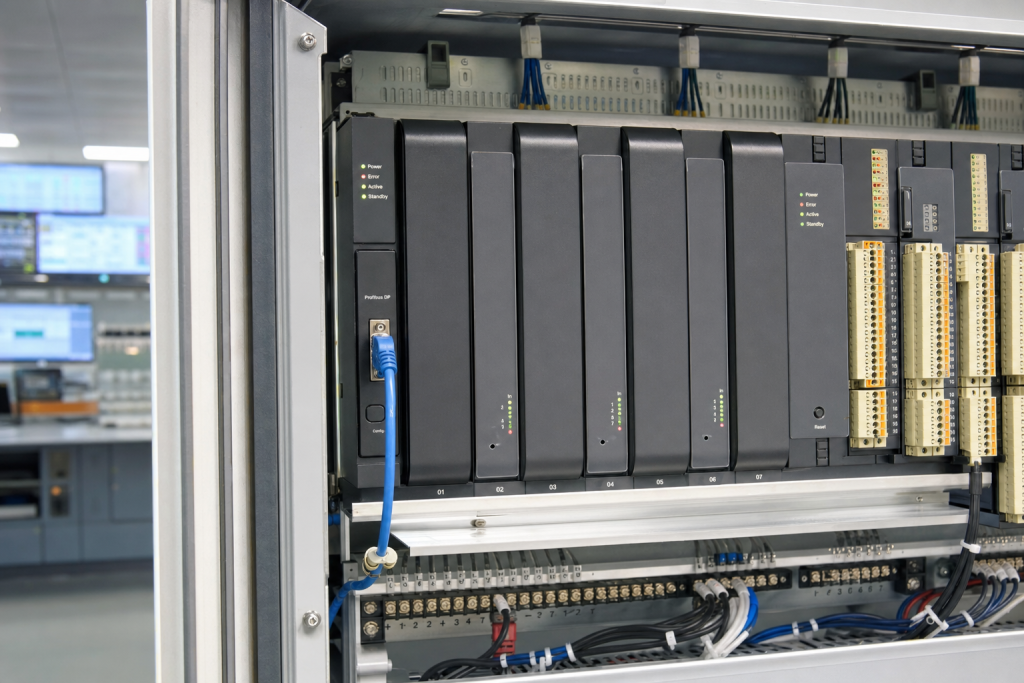
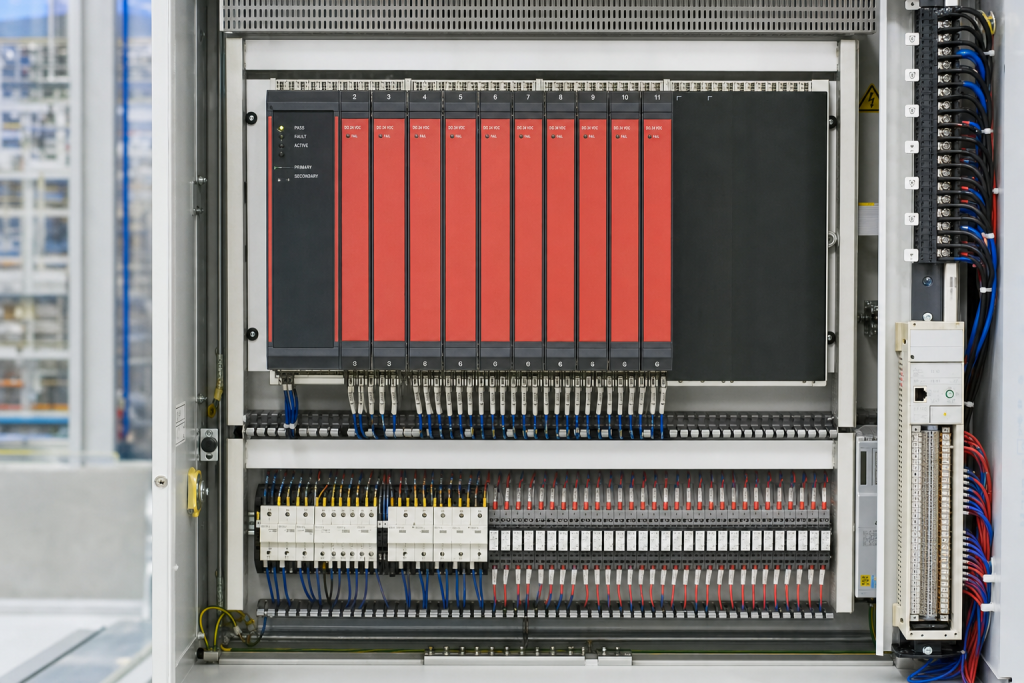
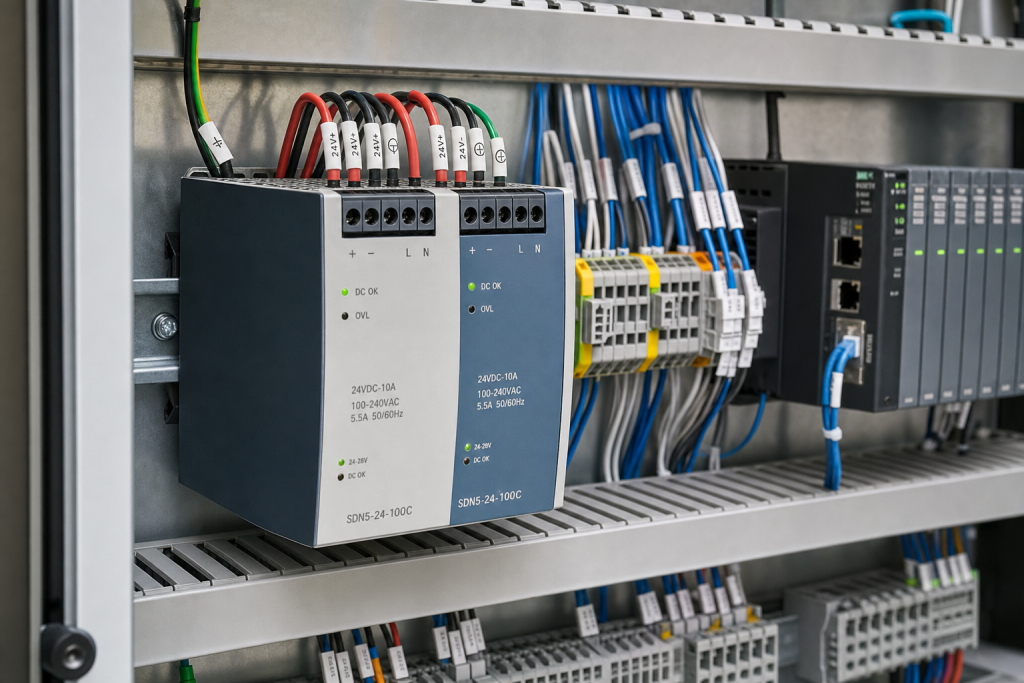
The problem for maintenance engineers is that many of these systems are the silent workhorses of the plant—running for 15+ years without a reboot. Applying a patch might require a total system shutdown that the production schedule doesn’t allow. This is where hardware redundancy comes into play. Having a certified, tested spare like the ABB 5SHY 4045L0001 IGCT module or equivalent redundant controllers allows you to swap hardware, perform offline updates, and maintain 100% uptime while addressing security gaps.
Why Legacy Hardware is a Security Target
Why are threat actors focusing on “obsolete” modules? Because they know legacy hardware often lacks the encrypted communication protocols found in modern S7-1500 or 800xA v6.x systems. Older modules were built for performance and reliability in a world where the plant floor was air-gapped from the internet. Today, with the rise of IIoT and remote monitoring, that air gap has largely vanished.
When you can’t upgrade the entire DCS due to budget constraints or operational complexity, your best defense is a “defense-in-depth” strategy. This includes segmenting your network and ensuring that your backup hardware is identical in revision and firmware level to your active units. Sourcing original, factory-sealed spares ensures that you aren’t introducing “gray market” hardware that could itself contain malicious firmware or hardware-level backdoors.
The Procurement Strategy for 2026: Security Through Reliability
In 2026, spare parts procurement is no longer just about fixing a broken machine; it’s about risk mitigation. The global supply chain for industrial semiconductors remains volatile, and lead times for legacy ABB and Hitachi Energy parts from the OEM can often stretch into months—or they may simply be unavailable. Waiting for a failure to occur before searching for a spare is a high-stakes gamble that few reliability engineers can afford to lose.
A proactive procurement plan involves identifying your “single points of failure.” If your Hitachi Energy system relies on a specific communication bridge that is now subject to a CISA advisory, that bridge should be at the top of your stocking list. By maintaining a local inventory of critical, hard-to-find components, you decouple your plant’s security from the OEM’s support timeline.
Frequently Asked Questions
1. How does a CISA advisory affect my EOL (End-of-Life) system?
It serves as a roadmap for threat actors. Once a vulnerability is public, the risk to your unpatched system increases exponentially. For EOL systems, you must rely on network isolation and having redundant, ready-to-swap hardware to minimize exposure.
2. Can NINERMAS provide certified test reports for legacy ABB modules?
Yes. We understand that in critical infrastructure, “refurbished” isn’t good enough. We focus on providing original, tested spares with documented verification to ensure they meet the original manufacturer specifications.
3. Why should I buy spares now instead of waiting for a failure?
The current market for high-demand legacy modules is tightening. As more plants move to secure their aging systems following these CISA alerts, the availability of original new stock (NOS) for ABB and Hitachi parts is decreasing, leading to higher prices and longer search times.
4. Is it safe to buy legacy modules from the secondary market?
Only if the supplier is reputable and provides a clear chain of custody and technical warranty. At NINERMAS, we specialize in bridging the gap between OEM obsolescence and plant longevity by sourcing original components that have been verified for performance.
Don’t Let Obsolescence Be Your Weakest Link
Securing your facility in the wake of the May 2026 CISA advisories requires a partner who understands the technical nuances of legacy DCS and PLC systems. Whether you need critical ABB redundancy modules or specialized Hitachi Energy spares, our team is ready to help you maintain your operational integrity.
© 2026 NINERMAS. All rights reserved. Official Website: https://NINERMAS.com Inquiry: sale@NINERMAS.com | WhatsApp/Tel: +86 187 5021 5667
Next Step
Move the research into a cleaner RFQ.
Send the part number, quantity, condition expectation, destination, and timing details so the sourcing team can reply with better availability and lead-time context.