
A Bently Nevada 3500 rack often becomes visible only when a turbine, compressor, fan, or critical motor trips, but the spare plan should be built long before that moment. Vibration monitoring hardware is part of the protection and reliability chain. A missing power supply, monitor card, terminal block, probe cable, or proximitior detail can slow recovery while the mechanical team is waiting for evidence.
NINERMAS treats Bently Nevada 3500 spare planning as lifecycle work, not a one-line model search. The installed rack, channel count, probe system, relay outputs, rack power, and cabinet wiring all decide whether a spare is ready for production recovery or only useful for bench evaluation.
Start with the rack and channel role
Record which machine train the rack protects, which modules are installed, which channels are used, and which alarms or trips depend on them. A monitor card serving a balance-of-plant fan does not carry the same risk as a card tied to turbine protection.
Keep this evidence with broader platform and system guides because rotating machinery monitoring recovery is a system decision. Rack power, probe cabling, monitor cards, relay modules, and acceptance checks have to move together.
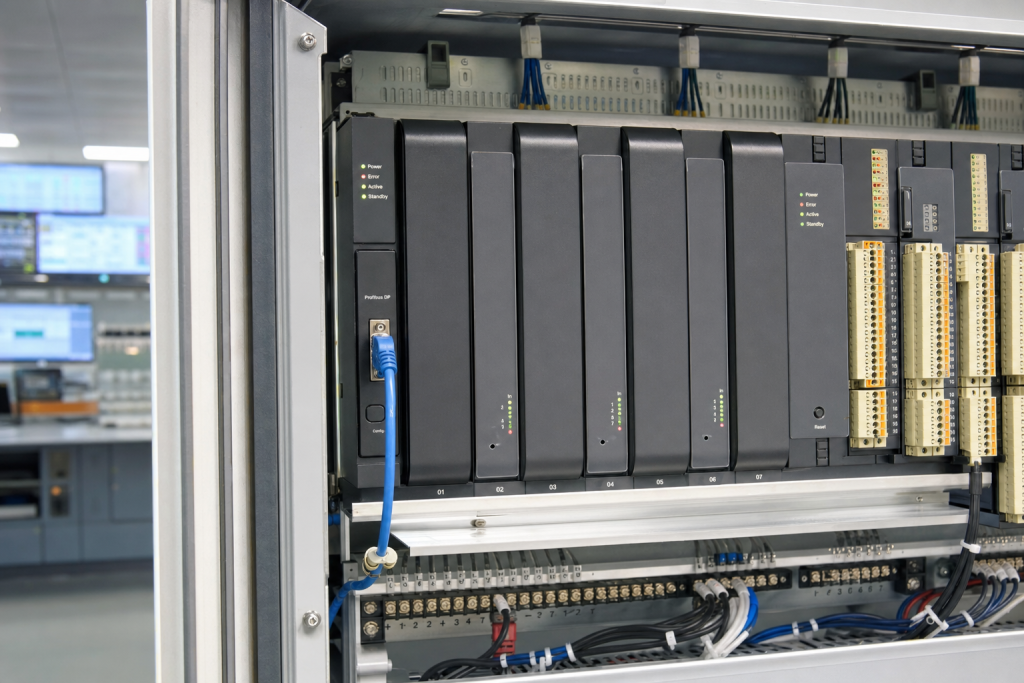
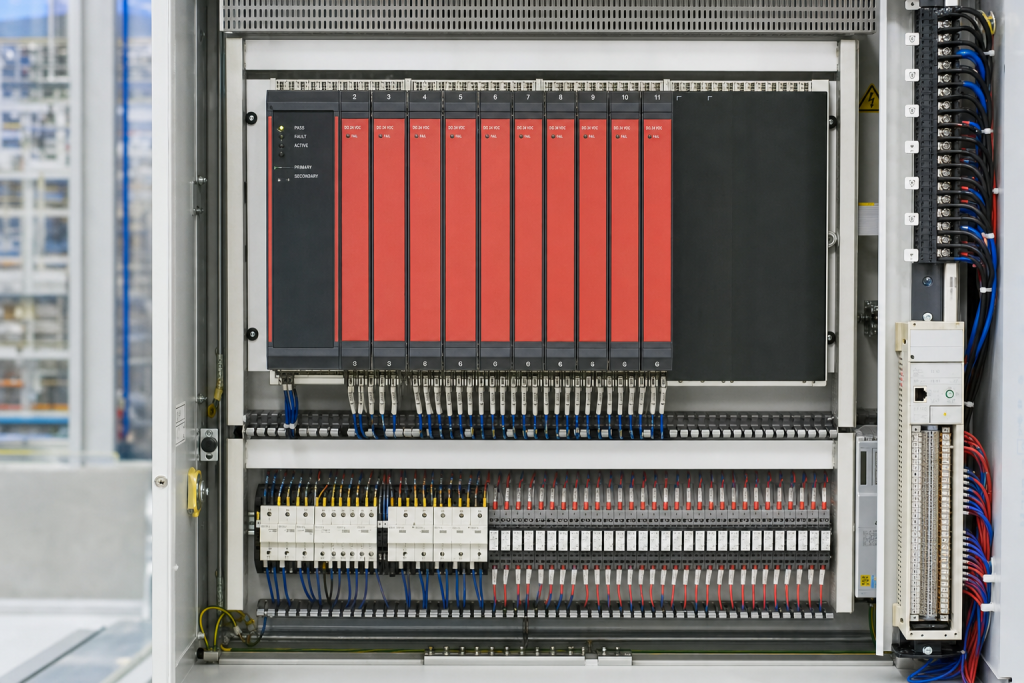
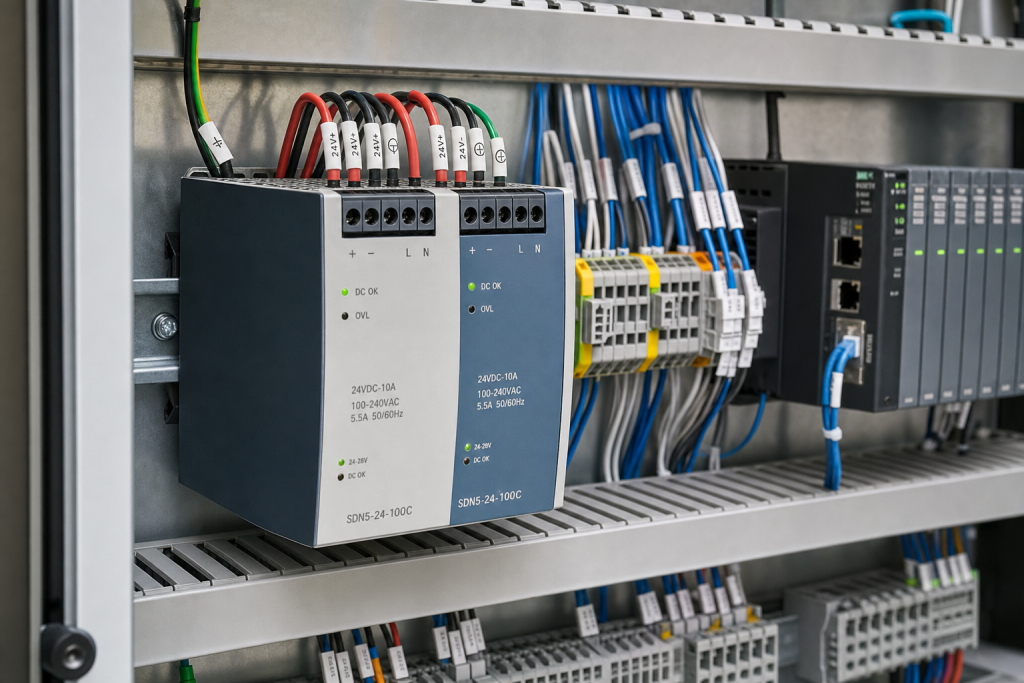
Take safe photos of the rack front, module positions, power supply, terminal modules, cabinet wiring, probe cable tags, and spare shelf items. Do not crop out slot locations or connector details; those details often decide the quote.
Separate monitor cards from field hardware
A monitor module may be available while the field chain is not. Probes, extension cables, proximitors, termination hardware, and rack connectors can become the real bottleneck. Treat them as a recovery kit rather than separate afterthoughts.
For high-value rotating equipment, record whether each spare is exact, repair option, field cable, bench item, or unknown. Unknown items should not be counted as ready protection spares.
When sending an RFQ through the request quote path, include machine role, safe rack photos, module labels, cable/probe needs, condition preference, and outage deadline.
Acceptance is more than powering the rack
A replacement should be accepted only after channel health, signal path, alarm behavior, trip or relay status if applicable, and operations visibility are reviewed. A module that powers on but does not restore trusted vibration evidence is not finished.
If a plant cannot test a spare in production, mark the status clearly. Bench-checked is not the same as field-accepted.
The best rack spare record lets reliability, maintenance, and procurement see the same risk before the next shutdown window.
Procurement discipline that keeps the spare usable
A useful RFQ separates immediate replacement, planned shelf stock, repair exchange, test-bench hardware, and possible substitute. Those are not the same buying need. Immediate replacement needs dispatch certainty and accessory completeness. Planned stock can allow more time for condition comparison. Test hardware can be useful without being production-approved. A possible substitute needs engineering review before it is compared with an exact match.
Ask for actual photos, visible labels, port views, accessory scope, condition language, warranty terms, and realistic shipment timing. Compare device-only quotes against field-ready kits carefully. A low price becomes expensive when a missing connector, terminal plug, cable, memory card, power supply, mounting part, or configuration owner forces a second shipment during the maintenance window.
Receiving inspection should mirror the RFQ. Confirm model, revision, ports, power input, accessory count, packaging, visible condition, and included documents before the item enters stores. If firmware, software, backup, or approval status is unknown, mark it unknown. Clear uncertainty is safer than quiet confidence that surprises the next technician.
Risk ranking keeps the spare plan realistic. Not every component deserves the same shelf depth, but every critical component deserves a documented decision. Rank by downtime consequence, lead time, substitute confidence, backup complexity, accessory risk, local skill, and whether the plant can continue running while a replacement is sourced. This turns spare planning from opinion into a maintenance action that procurement can support.
Review the highest-risk records before each planned shutdown. Confirm the spare is still on the shelf, the accessory kit is still complete, the photos still match the installed equipment, and the named technical owner is still available. Quiet drift in stores is common; catching it before a work window is cheaper than discovering it during a night callout.
Make the record reusable
After the order, save the original RFQ photos, supplier photos, final quote, received-item photos, and engineering comments together. That file becomes the next buyer’s starting point. It also helps maintenance when the same platform appears in a later outage, shutdown, modernization review, or support discussion.
Use simple status labels: exact match, possible substitute, repair option, test bench only, rejected, or engineering review required. A conditional spare should not sit on the shelf pretending to be an exact replacement. Stores staff and night-shift technicians need the same clarity as the engineer who approved the quote.
Attach a decision owner to every uncertain item. The owner does not need to solve the whole lifecycle problem immediately, but someone should be named for compatibility review, backup validation, substitute approval, or receiving inspection. Anonymous uncertainty is what turns a normal spare request into an emergency meeting.
If the item is not ready for production use, say so directly on the record. Clear limits prevent a conditional spare from being pulled as if it were already approved.
FAQ
What Bently Nevada 3500 items should be planned together?
Plan rack power supply, monitor cards, relay modules, terminal modules, probes, extension cables, proximitors, and cabinet accessory details together.
Can a similar monitor card be used?
Only after engineering confirms channel type, firmware or hardware revision, rack compatibility, wiring, and acceptance checks.
What photos help the RFQ most?
Rack front, module labels, slot positions, terminal modules, power supply, cabinet wiring, probe cable tags, and spare shelf condition are most useful.
Why is receiving inspection important?
Because a visually similar monitor or cable can still be wrong for the installed channel, accessory scope, or machine protection function.
Send NINERMAS your safe 3500 rack photos, probe chain details, accessory gaps, and outage deadline. We can help turn the rack into a practical spare plan.
© 2026 NINERMAS. All rights reserved. Official Website: https://NINERMAS.com Inquiry: sale@NINERMAS.com | WhatsApp/Tel: +86 187 5021 5667
Next Step
Move the research into a cleaner RFQ.
Send the part number, quantity, condition expectation, destination, and timing details so the sourcing team can reply with better availability and lead-time context.