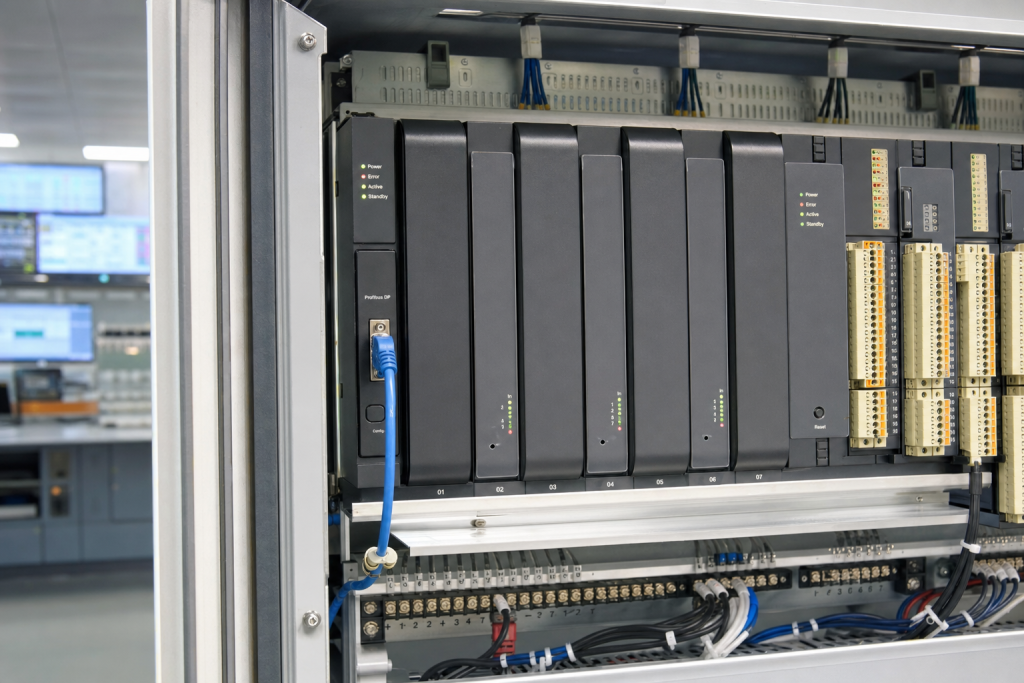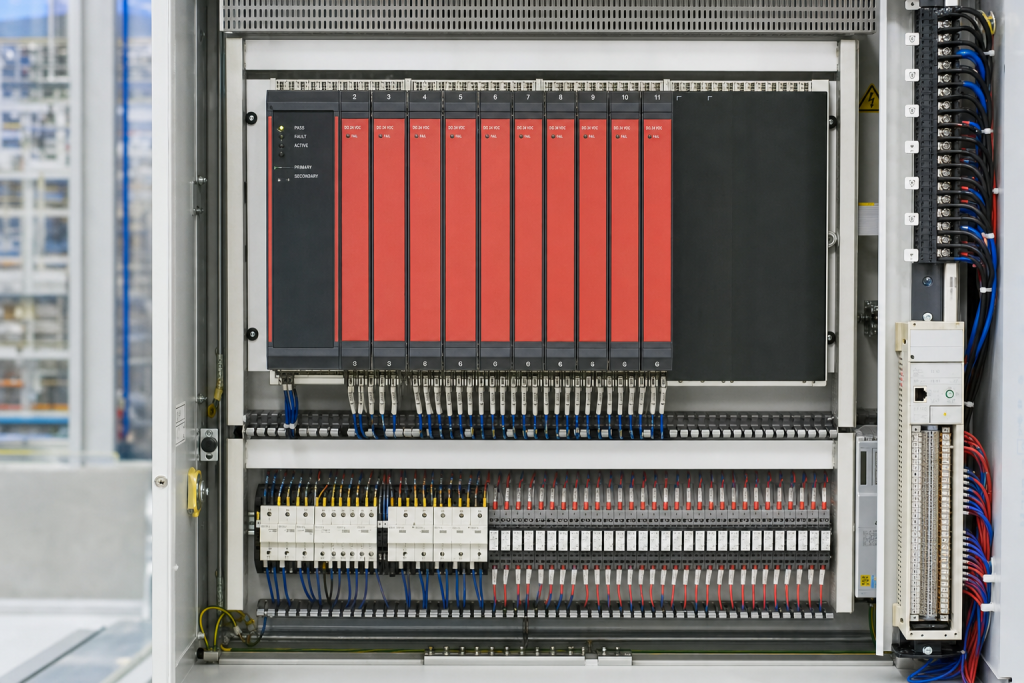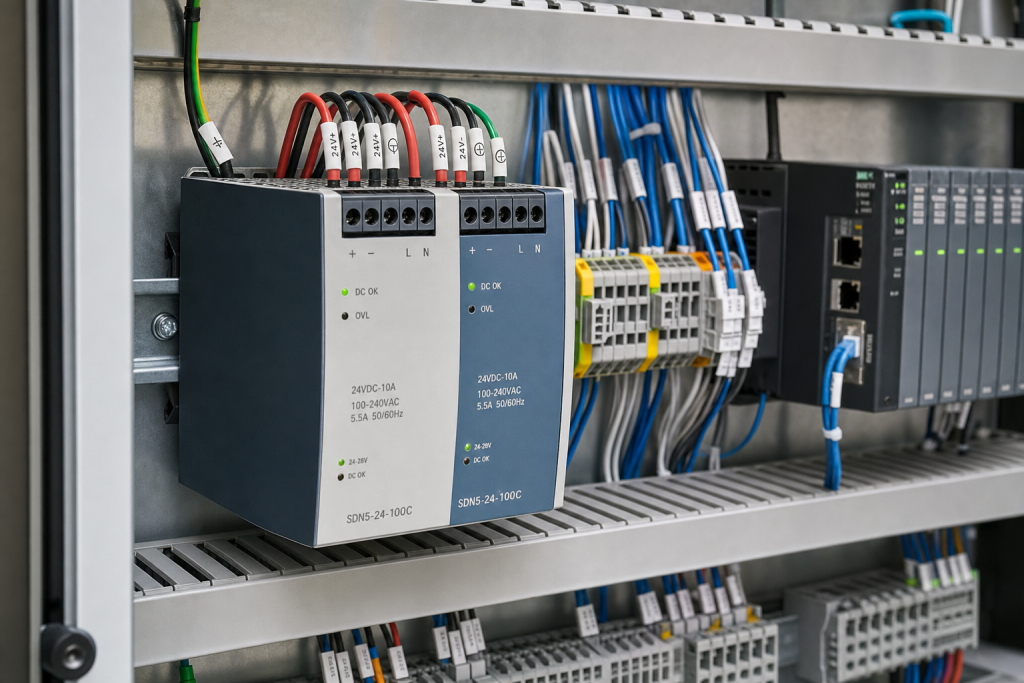
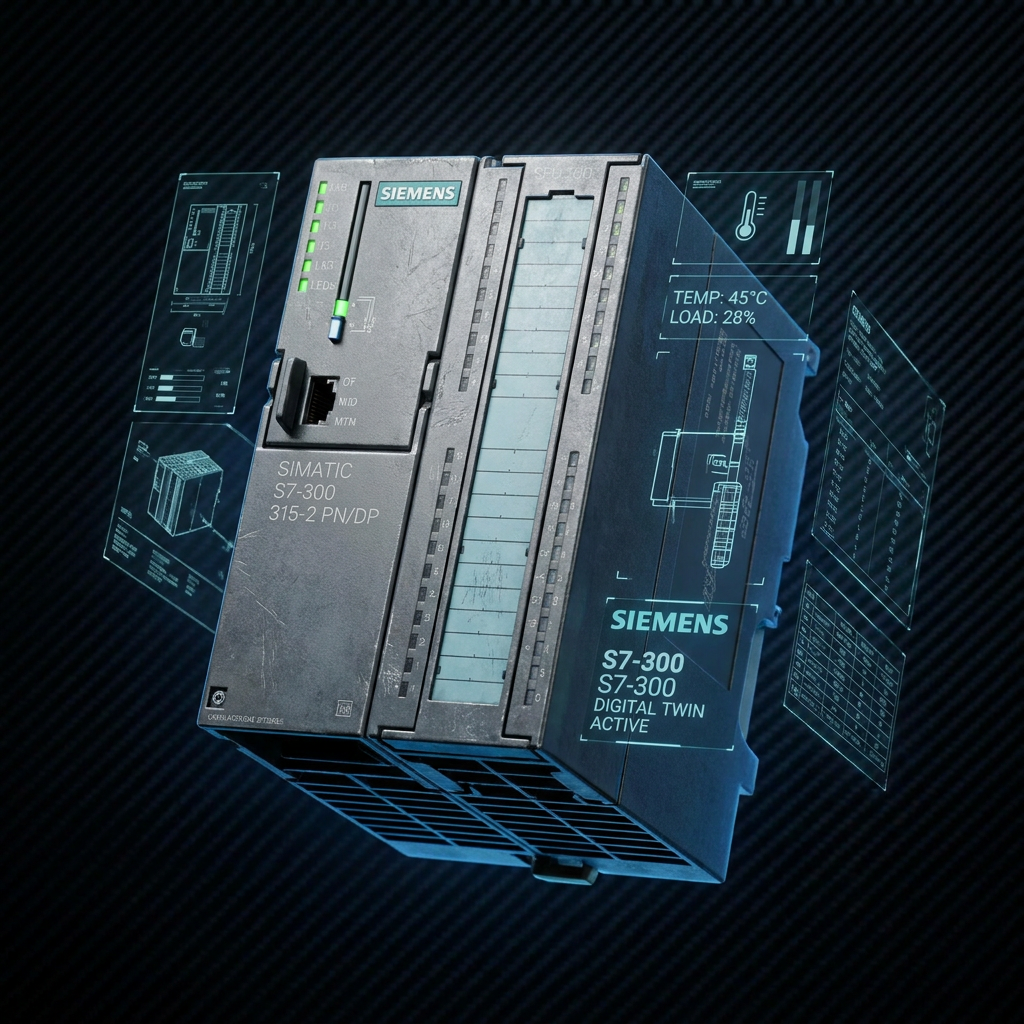
In the landscape of industrial automation, “Classic” is often a polite industry term for “legacy.” But for those of us who have spent over two decades commissioning and maintaining Siemens environments, the SIMATIC S7-300 and S7-400 series are anything but antique. They are the workhorses of the global manufacturing and process sectors, powering everything from high-speed assembly lines to massive oil and gas facilities. However, as we cross into mid-June 2026, the definition of “reliable maintenance” for these systems is shifting. It is no longer enough to simply keep the hardware running; we must now navigate a complex intersection of aging electronics and increasingly aggressive cybersecurity threats.
Recent developments, including the June 2, 2026 security advisory (AV26-540) targeting RUGGEDCOM and industrial communication stacks, and the June 9 CISA advisory (ICSA-26-160-02), serve as a wake-up call. These advisories highlight vulnerabilities in the very networking fabric that allows our “Classic” S7 racks to communicate with the modern digital enterprise. For a maintenance engineer, the challenge is twofold: how do you secure a system that the OEM is steering toward obsolescence, and how do you ensure that your security remediation doesn’t accidentally trigger a physical hardware failure in a 15-year-old rack?
The S7-300/400 Security Landscape in 2026: A Pragmatic Look
The core issue facing many plants today isn’t the PLC logic itself, but the Communication Processors (CPs). Modules like the CP 343-1 and CP 443-1 were designed in an era when “network isolation” was assumed. In 2026, that assumption is gone. Modern malware doesn’t just target the Windows HMI; it probes the industrial communication stacks. When CISA flags vulnerabilities in industrial networking hardware, it often necessitates a firmware update or a configuration change that can put significant electrical and processing stress on aging components.
As an advisor to large-scale utility and manufacturing sites, I’ve seen what happens when a maintenance team tries to “harden” a rack without a proper spare parts buffer. A firmware flash on a ten-year-old Siemens S7-300 CPU can sometimes reveal underlying memory degradation, leading to a “bricked” module and a very expensive period of unplanned downtime. The pragmatic move for 2026 is clear: you must treat your security strategy and your hardware integrity strategy as a single, unified effort.
Why “Original New” Spares are Non-Negotiable for Security Hardening
There is a dangerous trend in the “Limited Support” phase of the automation lifecycle: the reliance on refurbished or unverified “grey market” modules. While these might seem cost-effective, they introduce a massive variable into your reliability equation. A refurbished Siemens 6ES7315-2AG10-0AB0 CPU may have been pulled from a harsh chemical environment, its capacitors already near the end of their design life.
When you apply modern security protocols—which often involve more frequent data polling and higher encrypted traffic loads—these aging components are pushed to their limits. At NINERMAS, we focus exclusively on providing original, high-integrity Siemens spare parts. Whether you are maintaining a standard S7-300 rack or a redundant Siemens S7-400H system, starting with factory-sealed hardware is the only way to ensure that your security updates are building on a solid foundation, not a crumbling one.
The Maintenance Engineer’s Checklist for S7 Lifecycle Management
Based on the current 2026 threat and lifecycle environment, here are the steps I recommend for every reliability manager still running S7-300 or S7-400 hardware:
- Isolate Your Classic Stacks: If your S7-300 is performing critical control but doesn’t need to talk to the cloud, air-gap it. Use a secure gateway rather than a direct Ethernet connection to the CP module.
- Verify Redundancy Synchronization: For those running the S7-400H platform, such as the Siemens 6ES7412-3HJ14-0AB0, ensure your fiber-optic sync cables and H-CPUs are in peak condition. Redundancy is your primary defense against hardware-level failures during security events.
- Audit Your “Cold Spares” Pool: A spare module sitting in a humid warehouse for five years is not a spare—it’s a liability. Audit your inventory for original, factory-sealed modules and ensure they are stored in climate-controlled environments.
- Plan for “Component-Level” Obsolescence: Even if the CPU is available, specialized modules like high-speed counters or fieldbus masters may be harder to find. Secure these critical-path modules now before the OEM moves them to “Scrap” status.
The Role of NINERMAS in Your Siemens Continuity Strategy
At NINERMAS, we understand that “upgrading everything to S7-1500” isn’t a realistic answer for most plants today. The engineering costs, physical rewiring, and downtime requirements are often prohibitive. Our mission is to provide the Hardware Integrity you need to maintain your existing investment. By sourcing original, hard-to-find Siemens modules, we give you the breathing room to manage your migration on your own terms, not the manufacturer’s schedule.
Frequently Asked Questions (FAQ)
1. Can I still get original firmware updates for my Siemens S7-300?
While many S7-300 modules are in the “Mature” or “Limited” support phase, Siemens still releases critical security patches for some versions. However, you must verify the exact hardware revision (E-Stand) to ensure compatibility. Always backup your PLC program before attempting any firmware update.
2. Is the Siemens S7-400 still recommended for new projects in 2026?
The S7-400 remains the standard for massive, high-redundancy process applications (S7-400H). While Siemens is pushing the S7-1500R/H, the sheer I/O density and proven track record of the S7-400 make it the preferred choice for many legacy DCS retrofits where physical space and proven reliability are paramount.
3. How do I know if my Siemens module is “Original New” or refurbished?
Original Siemens modules come in factory-sealed, anti-static packaging with intact security seals and traceable serial numbers. Refurbished modules often show signs of wear on the backplane connectors or have non-original packaging. At NINERMAS, we verify the provenance of every module to ensure plant-floor integrity.
4. Why is the 6ES7412-3HJ14-0AB0 so critical for S7-400H systems?
This specific CPU is a cornerstone of the redundant S7-400H architecture. It handles the high-speed synchronization required for bumpless transfer between processors. Because it is a high-performance module, it is also sensitive to thermal aging, making it a priority for your strategic spare parts inventory.
Copyright & Disclaimer: © 2026 NINERMAS. All rights reserved. Official Website: https://NINERMAS.com Inquiry: sale@NINERMAS.com | WhatsApp/Tel: +86 187 5021 5667. This article is for technical reference only. All product names and brands are trademarks of their respective owners. NINERMAS is an independent distributor and is not an authorized partner of Siemens.
Maintain Your Siemens Advantage: Browse the NINERMAS Siemens Archive or Request a Quote today for verified pricing and availability on original S7-300, S7-400, and ET 200M modules.
Next Step
Move the research into a cleaner RFQ.
Send the part number, quantity, condition expectation, destination, and timing details so the sourcing team can reply with better availability and lead-time context.