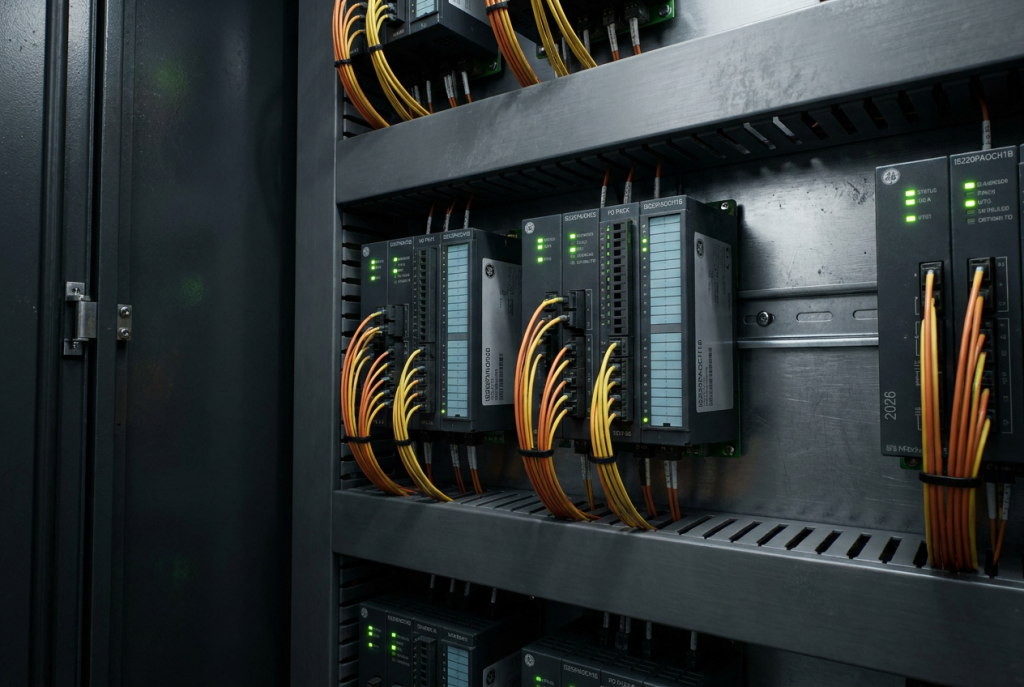
If you have ever stood in the turbine hall of a combined-cycle power plant or a major offshore drilling rig, you know that the GE Mark VIe is not just a controller; it is the central nervous system of the facility. For over two decades, the Mark VI and its successor, the Mark VIe, have governed the high-speed logic required to keep turbines spinning and grids stable. As we move through May 2026, the industrial landscape is shifting toward more decentralized and software-defined architectures. However, for the majority of global power generation, the “Hardware Reality” of the Mark VIe remains the most critical factor in operational reliability.
As a consultant with 20 years in the DCS and turbine control arena, I have witnessed the transition from the legacy Speedtronic systems to the current modular Mark VIe. Today, we are facing a unique challenge: the “Middle Age” of the Mark VIe. While the system is robust, the original I/O packs and terminal boards from the early 2010s are reaching the end of their predicted component life. Managing this lifecycle in 2026 requires more than just a patching strategy; it requires a hardware integrity plan. Today, we will discuss how to manage the GE Mark VIe lifecycle and why original spare parts sourcing is the only way to avoid catastrophic turbine trips.
The Transition from Mark VI to VIe: The Retrofit Reality
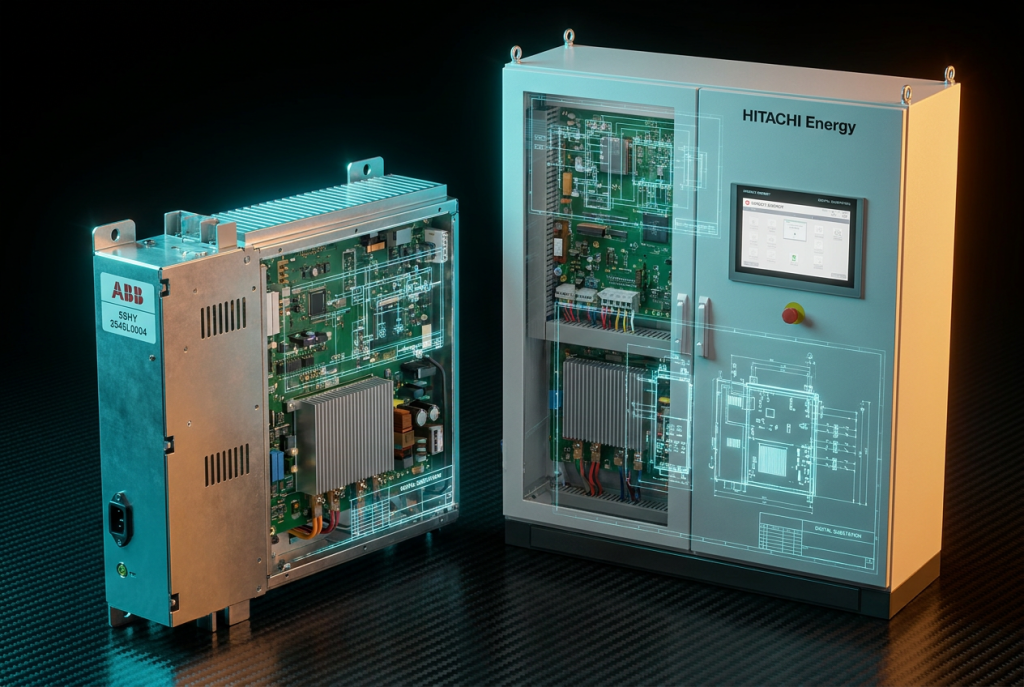
Many plants are currently in the middle of a “phased migration” where legacy Mark VI (IS200 series) hardware is being replaced by modern Mark VIe (IS420 and IS220 series) components. This is often done using retrofit terminal boards like the GE IS200STAIH1A analog input board, which allows you to upgrade your control logic without the massive cost of re-terminating thousands of field wires.
However, this “phased” approach creates a hybrid environment that is technically complex to maintain. In 2026, the risk of a “communication mismatch” between older Mark VI backplanes and newer Mark VIe controllers is real. As a peer who has managed these retrofits, I advise keeping a strict inventory of both generations. Relying on a “one size fits all” strategy often leads to troubleshooting nightmares when a failover doesn’t happen as expected. Hardware consistency across your primary and redundant racks is not a luxury; it is a requirement for system stability.
The Criticality of I/O Packs: IS220 vs. IS420
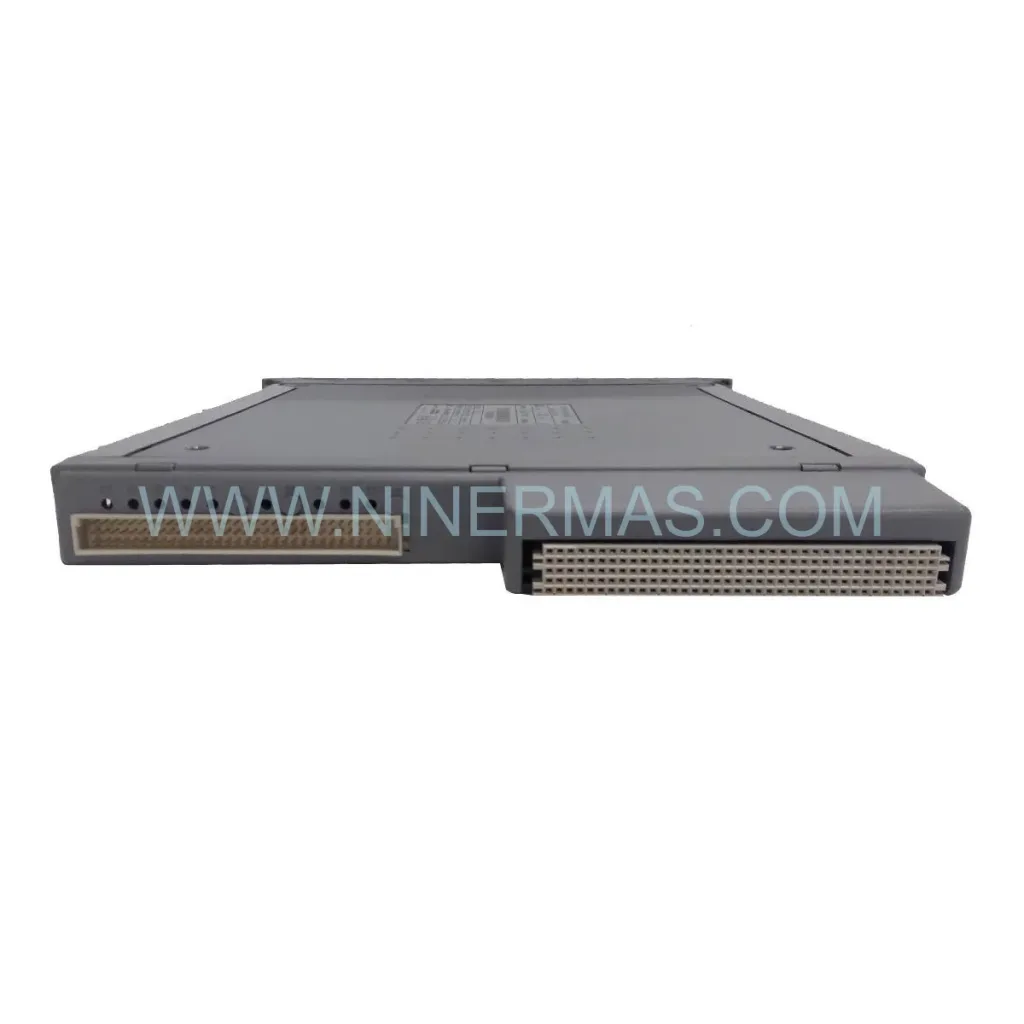
The heart of the Mark VIe’s distributed architecture is the I/O pack. These small, powerful modules mount directly to the terminal board and handle the complex signal processing for your sensors and actuators. The IS220PAICH2B analog I/O pack is a workhorse in this regard, providing the high-speed data required for turbine speed control and vibration monitoring.
In 2026, we are seeing an uptick in hardware-level failures in older IS220 packs due to thermal degradation of their internal capacitors. When these packs fail, they often do so “silently,” providing erratic data before a full dropout. Upgrading to the newer GE IS420YAICS1B Mark VIe module is the recommended path for modernization, but for those who must maintain existing racks, sourcing original, factory-sealed IS220 packs is critical. A “refurbished” I/O pack is a gamble I would never take with a multi-million dollar turbine. The precision required for analog loop sensing simply cannot be guaranteed by a third-party repair shop.
Power Distribution and Signal Integrity in the Mark VIe Rack
One of the most overlooked components in a GE control cabinet is the power distribution layer. The GE IS200JPDMG1ACC power distribution board is the foundation upon which your entire rack sits. If the power supply to your I/O packs is unstable, your control loops will suffer from “noise” that is often misdiagnosed as sensor failure.
In 2026, the increase in high-frequency noise from modern VFDs and power electronics in the plant can interfere with older Mark VIe power circuits. Ensuring your power distribution boards are high-revision and free from component aging is vital. Similarly, for your digital outputs, utilizing verified GE relay output terminal boards ensures that your trip signals are executed with the deterministic timing GE is famous for. If your relays are sticking or your power is sagging, your “advanced” control logic is useless.
The 2026 Maintenance Strategy: Adopting a “Clean Rack” Policy
How do you stay ahead of obsolescence in 2026? I recommend a “Clean Rack” policy. This means auditing your cabinets not just for failed lights, but for revision mismatches and aging I/O packs. If you are still running a mix of old Mark VI and new Mark VIe cards, create a five-year plan to standardize on the Mark VIe platform.
Use modern modernization modules like the GE IS220PAOCH1B analog output module to replace older analog loops. And most importantly, secure your supply of “Original New” spares now. As GE shifts more resources toward renewable energy platforms, the production of legacy Mark VIe hardware will eventually taper off. Having a verified stock of I/O packs and terminal boards today is the best insurance policy for your plant’s future.
Frequently Asked Questions
1. Can I use Mark VIe I/O packs on a legacy Mark VI terminal board?
Yes, in many cases, GE designed the Mark VIe to be “backward compatible” with Mark VI terminal boards using specific adapters or retrofit boards. This allows for a phased migration without re-wiring.
2. What is the difference between the IS220 and IS420 series in Mark VIe?
The IS220 series is the traditional “pack” style that mounts to a terminal board, while the IS420 series often refers to newer, more integrated I/O modules used in the latest Mark VIe and Mark VIeS (Safety) architectures.
3. Why is “Original New” hardware so important for GE Mark VIe systems?
The Mark VIe uses high-speed IONet communications. Any degradation in the internal components of an I/O pack can cause timing jitter or data corruption on the network, leading to system-wide instability that is extremely difficult to diagnose.
4. How often should I audit the firmware of my Mark VIe modules?
In the 2026 security climate, firmware should be audited at least semi-annually. GE regularly releases security patches and performance updates that address vulnerabilities in the network stack of the I/O packs.
Secure Your GE Turbine Control Strategy Today
Maintaining a GE Mark VIe system in 2026 requires a partner who understands the technical heartbeat of turbine control. Whether you are navigating a complex Mark VI to VIe retrofit or simply need a verified IS220 I/O pack to keep your grid stable, NINERMAS provides the original, high-integrity spares you need. Contact our experts today to audit your GE inventory and protect your power assets from the challenges of 2026.
© 2026 NINERMAS. All rights reserved. Official Website: https://NINERMAS.com Inquiry: sale@NINERMAS.com | WhatsApp/Tel: +86 187 5021 5667
Next Step
Move the research into a cleaner RFQ.
Send the part number, quantity, condition expectation, destination, and timing details so the sourcing team can reply with better availability and lead-time context.