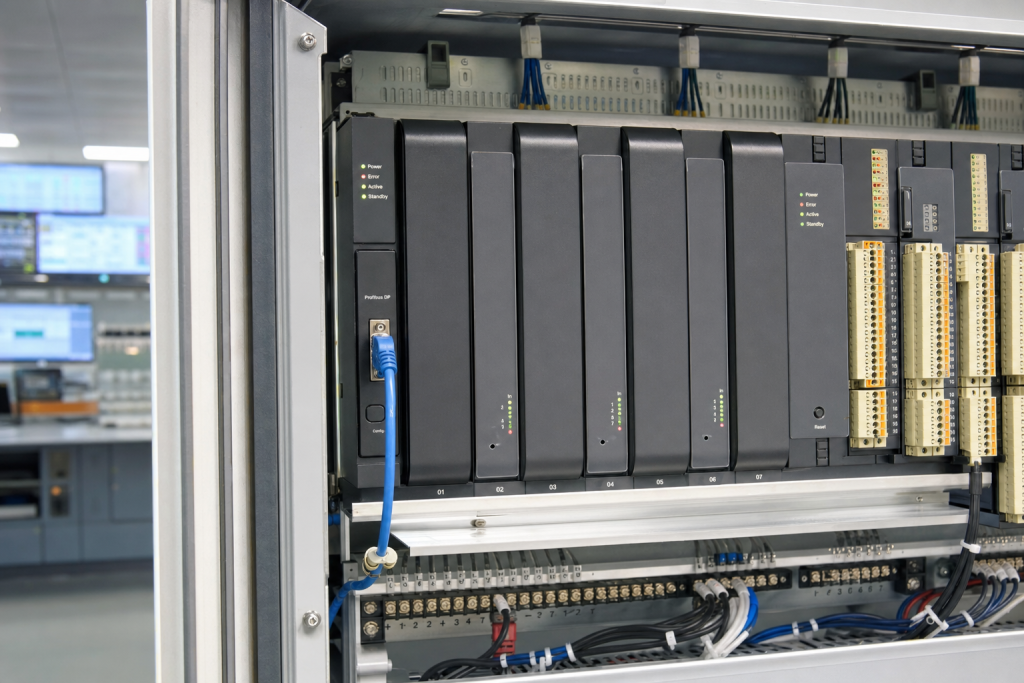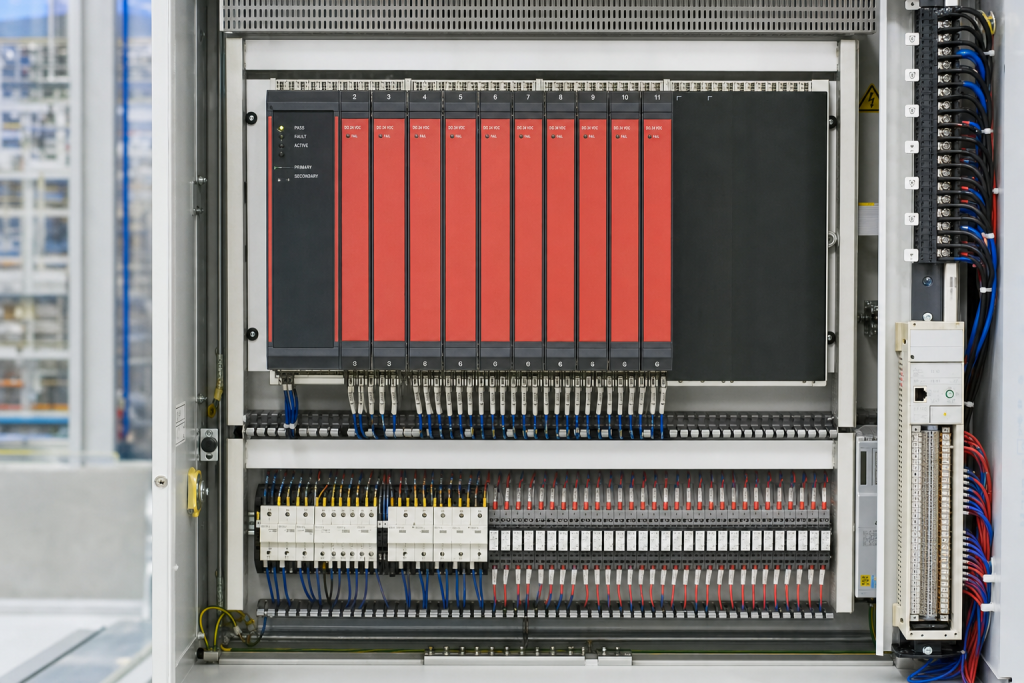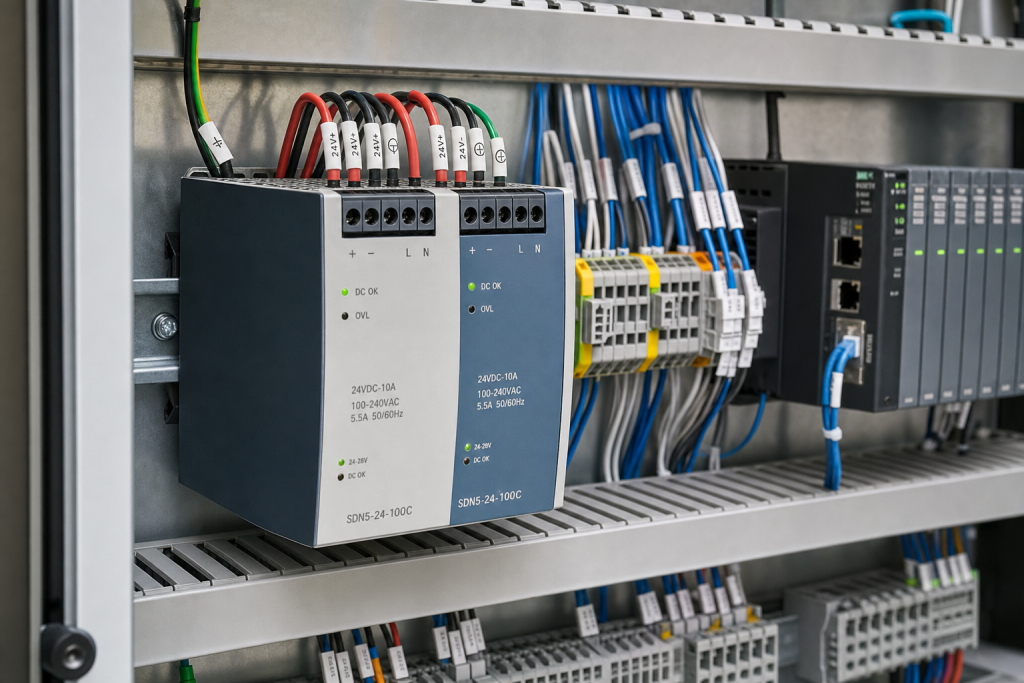
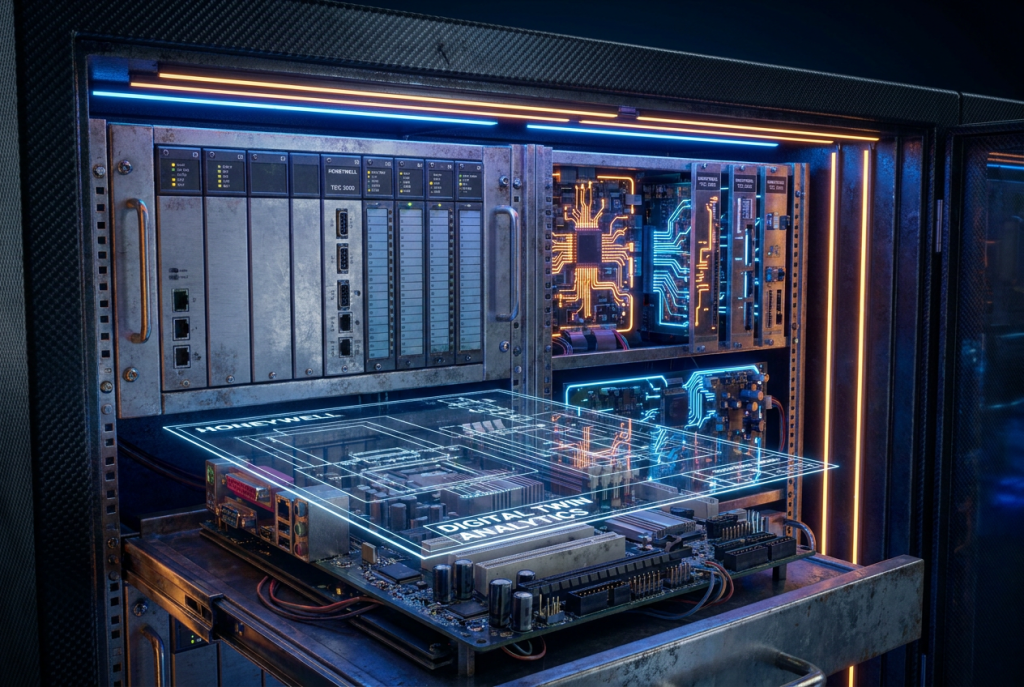
In the quiet corners of world-class manufacturing plants, there are ghosts. They don’t rattle chains; they hum with electricity. They are the 15-year-old PLCs and DCS modules that have been running without a reboot for a decade. In May 2026, the Operational Technology Information Sharing and Analysis Center (OT-ISAC) issued a critical advisory that should make every maintenance engineer sit up: “Forgotten” obsolete controllers are now being actively scanned and exploited by sophisticated threat actors.
As a consultant with over 20 years of experience in the DCS/PLC/SIS lifecycle, I can tell you that the most dangerous piece of hardware in your facility isn’t the one that breaks—it’s the one that works too well for too long. When an OEM (Original Equipment Manufacturer) declares a module EOL (End-of-Life), they aren’t just stopping production; they are often stopping security patches. This leaves your legacy infrastructure as an open door for network-based resource exhaustion and authorization bypass attacks.
The OT-ISAC Warning: When No Fix is Forthcoming
The recent OT-ISAC advisory specifically flagged obsolete controllers—such as the BASControl20 and similar vintage units—highlighting critical flaws that have no official remediation. For an engineer, the words “no available fix” are a nightmare. In the world of Rockwell Automation, Schneider Electric, or Honeywell, once a family moves into the “Discontinued” or “Legacy” phase, the security stack becomes static while the threat landscape evolves.
This isn’t just about minor software bugs. We are seeing authorization bypass vulnerabilities that allow unauthenticated users to change control parameters or halt CPUs entirely. If your facility relies on aging Honeywell TDC 3000 systems or older Allen-Bradley SLC 500s, you are likely sitting on these types of vulnerabilities. The reality of 2026 is that air-gapping is a myth for most; if your PLC has an Ethernet port, it is reachable.
Why Legacy Hardware is the Vulnerability of Choice
Why are attackers targeting 15-year-old hardware in 2026? It’s simple: predictability and lack of visibility. Modern controllers like the Honeywell Experion PKS have built-in logging and encrypted communication. Legacy systems, however, were designed in a simpler era where trust was the default. They communicate in plain text and rarely have the processing power to handle modern encryption without a significant performance hit.
Many plants are currently in a “Hybrid State,” where they have upgraded their HMI to a modern platform but left the underlying control logic on legacy hardware. For example, using a Honeywell 51404452-001 DCS Control Module in a TDC 3000 retrofit is a common way to extend life while moving toward Experion PKS. While this solves the hardware longevity problem, it doesn’t eliminate the need for a robust spare parts strategy to handle unexpected security-driven hardware failures.
Pragmatic Risk Mitigation: The Expert’s Guide
If you can’t patch it, how do you protect it? As a peer who has walked the plant floor during midnight shutdowns, I recommend a three-tiered approach:
- Deep Inventory & Asset Discovery: You cannot protect what you don’t know you have. Use passive network monitoring to identify every legacy MAC address on your control network.
- Micro-Segmentation: If a legacy PLC doesn’t need to talk to the business network, isolate it. Use industrial firewalls to wrap your legacy racks in a protective bubble.
- Strategic Redundancy & Spares: When a vulnerability is exploited, your only recovery path might be a hard reset and a module swap with known-good, factory-sealed hardware. This is where sourcing original spare parts becomes a security requirement rather than just a maintenance task.
The 2026 Procurement Strategy: Security Through Quality
In 2026, the “gray market” is more dangerous than ever. Counterfeit boards or modules with modified firmware are being found in global supply chains. When sourcing parts to secure your legacy DCS, you must demand verification. At NINERMAS, we focus on providing 100% original and tested spares because we know that a single faulty power supply or a modified CPU can compromise the security of your entire SIS (Safety Instrumented System).
As lead times for new systems stretch into 2027 and beyond, the only way to maintain the “Cold Precision” of your operations is through a reliable supply of legacy hardware. Don’t wait for a CISA advisory or an OT-ISAC alert to hit your desk before you check your inventory of critical TDC 3000 or Experion PKS modules.
Frequently Asked Questions
1. Does OEM “End of Support” mean the hardware is unsafe?
Not necessarily, but it means you are responsible for its security. Without manufacturer patches, you must use external layers of protection like network segmentation and physically secured cabinets.
2. Can I still source original Honeywell TDC 3000 parts in 2026?
Yes, though the global supply of “New Old Stock” is dwindling. Reliable suppliers with technical testing capabilities are essential for ensuring the hardware you receive is functional and un-modified.
3. Why is network-based resource exhaustion a threat to old PLCs?
Older PLCs have very small buffers for network traffic. A simple flood of pings or unauthenticated requests can overwhelm the CPU, causing it to drop into a “Fail-Safe” state and stopping production.
4. How do I verify if my spare parts are original?
Look for factory seals, original packaging, and matching serial numbers on the PCB and the housing. Most importantly, work with a partner who provides a technical warranty and test reports.
Secure Your Legacy Infrastructure
Managing legacy industrial hardware in a high-threat environment requires specialized knowledge and a dependable supply chain. If you are struggling to find original Honeywell, ABB, or Rockwell spare parts to maintain your facility’s uptime and security, our experts are here to help.
© 2026 NINERMAS. All rights reserved. Official Website: https://NINERMAS.com Inquiry: sale@NINERMAS.com | WhatsApp/Tel: +86 187 5021 5667
Next Step
Move the research into a cleaner RFQ.
Send the part number, quantity, condition expectation, destination, and timing details so the sourcing team can reply with better availability and lead-time context.