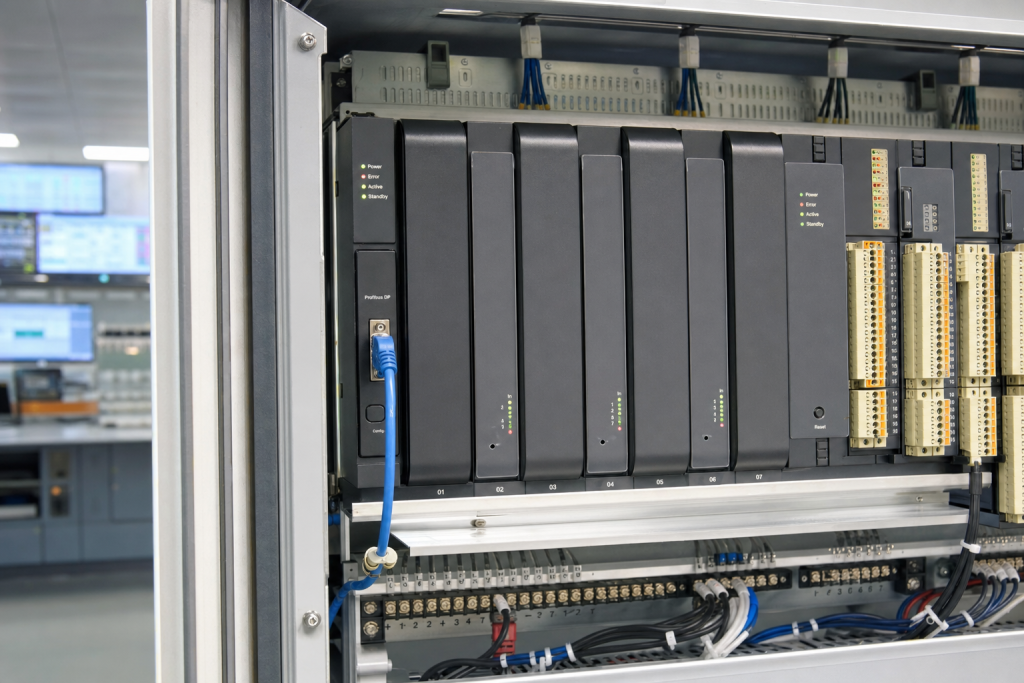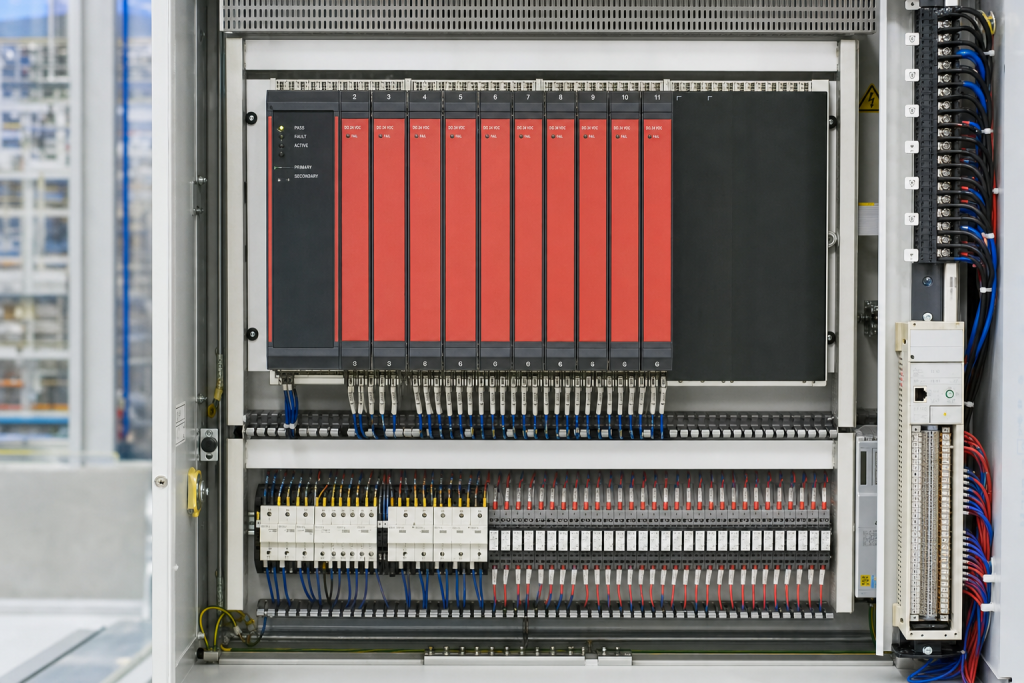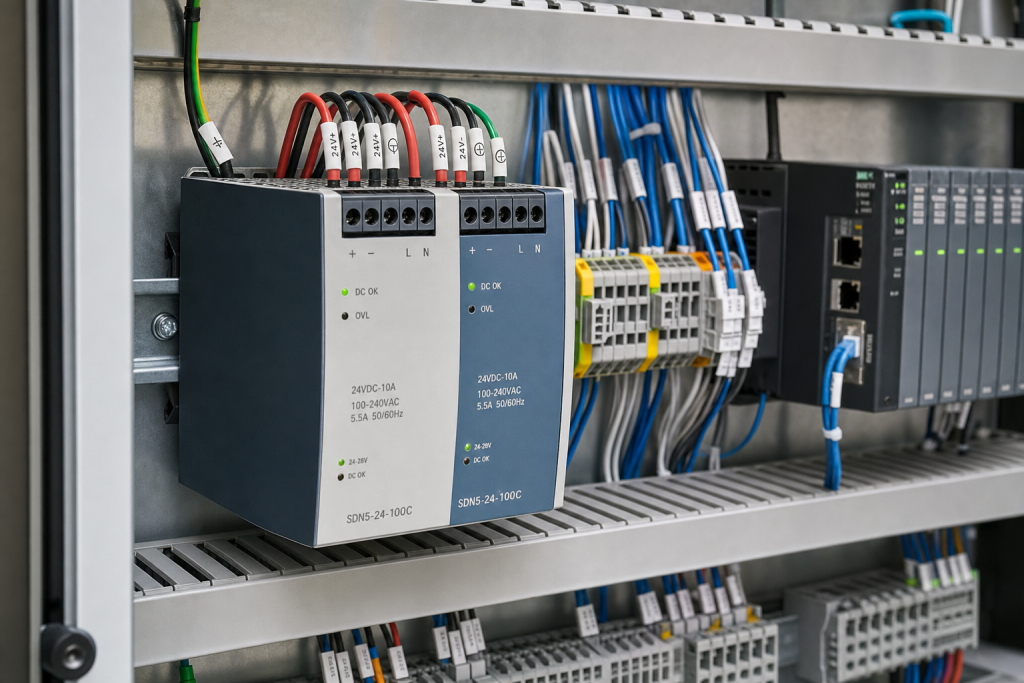
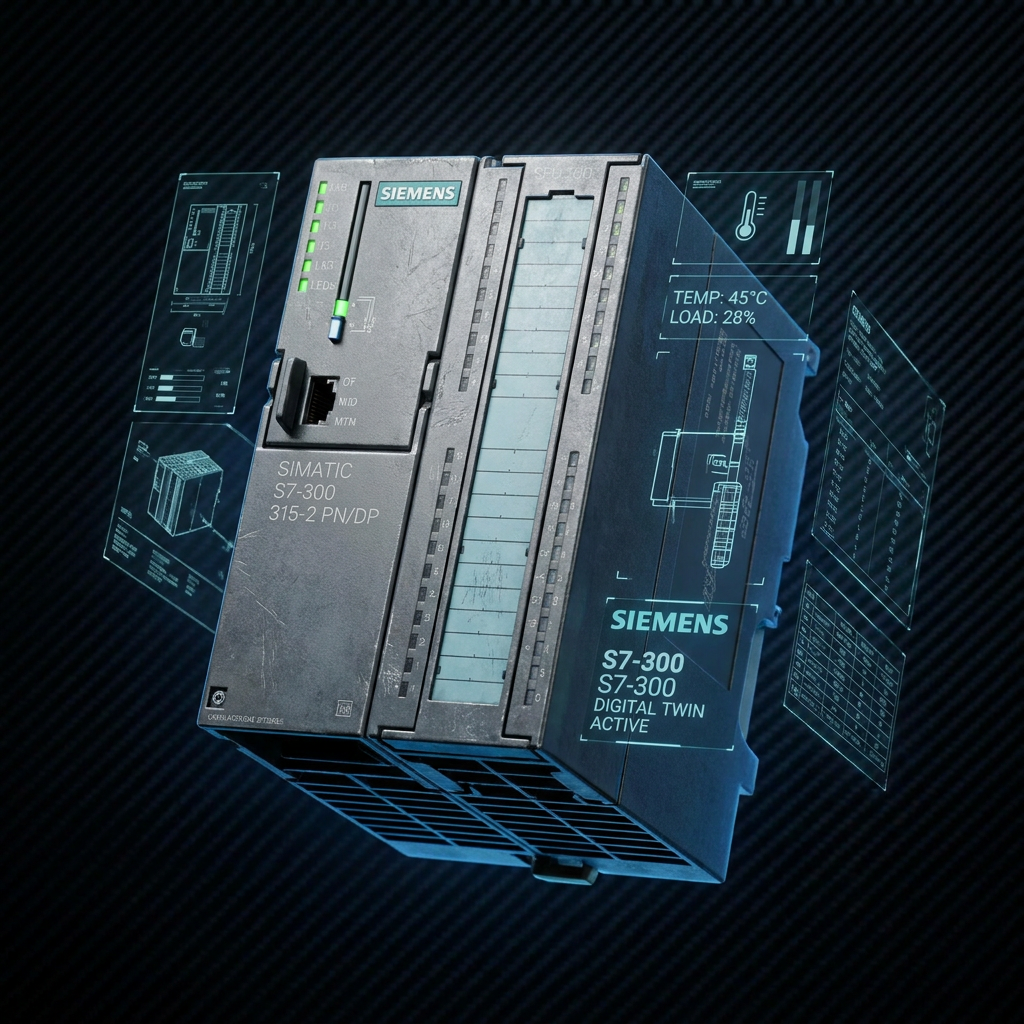
The Siemens SIMATIC S7-300 and S7-400 controllers are often described as the “workhorses” of the industrial world. For over two decades, these systems have powered everything from automotive assembly lines to critical pharmaceutical processing plants. However, as we move through 2026, the conversation around these legacy systems has shifted from simple maintenance to a complex balancing act between cybersecurity compliance and hardware longevity.
Recent advisories from Siemens ProductCERT have highlighted new vulnerabilities affecting the S7-300 and S7-400 families, reminding us that even the most robust legacy hardware is not immune to modern threat actors. For maintenance engineers and procurement managers, the question is no longer just “how do I keep it running?” but “how do I keep it safe while sourcing reliable parts?”
The 2026 Security Landscape for S7-300
In early May 2026, cybersecurity agencies flagged fresh vulnerabilities in the communication stacks of several legacy PLC families. For the S7-300, which has officially transitioned into its “Classic” and “Legacy” support phases, these updates are a double-edged sword. While Siemens continues to provide security guidance, the underlying hardware limitations of older CPU models make patching difficult without functional upgrades.
Threat actors often target these systems because they lack the built-in security features of newer platforms like the S7-1500. Vulnerabilities in PROFIBUS or older Ethernet modules can lead to unauthorized access if the network is not properly air-gapped. However, for many plants, a multi-million dollar migration to a new platform is not financially or operationally feasible in the current fiscal year. This makes the procurement of certified, reliable spare parts like the Siemens C79459-A1715-B21 SIMATIC S7-300 module essential for maintaining redundancy and minimizing downtime during unexpected failures.
The High Cost of “Rip and Replace”
Consultants often jump to the conclusion that legacy systems should be replaced immediately. But as an experienced peer in the automation space, I know the reality is different. A full system migration involves more than just changing a CPU; it requires rewriting code, re-validating safety loops, and retraining operators. The “hidden costs” of migration can be five times the cost of the hardware itself.
Instead of a full overhaul, many facilities are opting for a “Maintenance-First” strategy. This involves upgrading critical communication modules—such as the 6GK1503-2CB00 Siemens PROFIBUS Optical Link Module—to improve network reliability while keeping the core logic on the proven S7-300 platform. By securing the perimeter and maintaining a healthy stock of original spare parts, you can extend the life of your installed base by another 5 to 10 years.
Sourcing Strategy: Avoiding the Counterfeit Trap
As official stocks for older S7-300 and S7-400 modules dwindle, the secondary market has become a minefield. Counterfeit modules and poorly refurbished boards are a major risk to plant safety. A failed CPU is one thing; a CPU that behaves unpredictably because of a low-quality capacitor is a catastrophe.
When sourcing spare parts in 2026, focus on technical verification. Look for suppliers who can provide factory-sealed units or certified test reports. The demand for specific modules like the S7-400H redundancy modules has surged, as these are critical for high-availability systems that cannot afford a single second of downtime. Ensuring your inventory contains original, tested spares is the only way to mitigate the risk of a prolonged outage.
Frequently Asked Questions
1. Are Siemens S7-300 controllers still officially supported?
Siemens has moved most S7-300 components to “Legacy” status, meaning they are available as spare parts but are no longer recommended for new projects. Technical support is still available, but lead times for new units are significantly longer than in previous years.
2. Can I use S7-1500 modules to replace S7-300 parts?
No, the hardware architectures are entirely different. While there are software migration tools to help you port your TIA Portal code, the physical I/O modules and backplanes are not interchangeable.
3. How do I secure my S7-300 system against the latest cyber threats?
If patching is not an option due to hardware age, the best strategy is network segmentation. Ensure your control network is isolated from the business network and use industrial firewalls to monitor all traffic entering the PLC cabinet.
4. Why is it so difficult to find original S7-300 communication modules right now?
As the industry shifts toward PROFINET and IIoT, the production of older PROFIBUS and serial modules has decreased. This has led to a shortage of original new stock, making reliable third-party suppliers essential for maintenance.
Secure Your Legacy Today
Maintaining an aging DCS or PLC system requires more than just luck; it requires a reliable supply chain. If you are struggling to find critical Siemens SIMATIC S7-300 or S7-400 components, our team of experts can help you locate original, tested spares to keep your plant running smoothly.
© 2026 NINERMAS. All rights reserved. Official Website: https://NINERMAS.com Inquiry: sale@NINERMAS.com | WhatsApp/Tel: +86 187 5021 5667
Next Step
Move the research into a cleaner RFQ.
Send the part number, quantity, condition expectation, destination, and timing details so the sourcing team can reply with better availability and lead-time context.