Original Industrial Spare Part
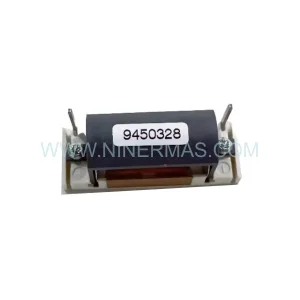
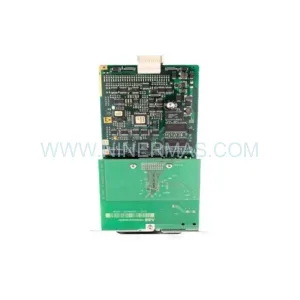
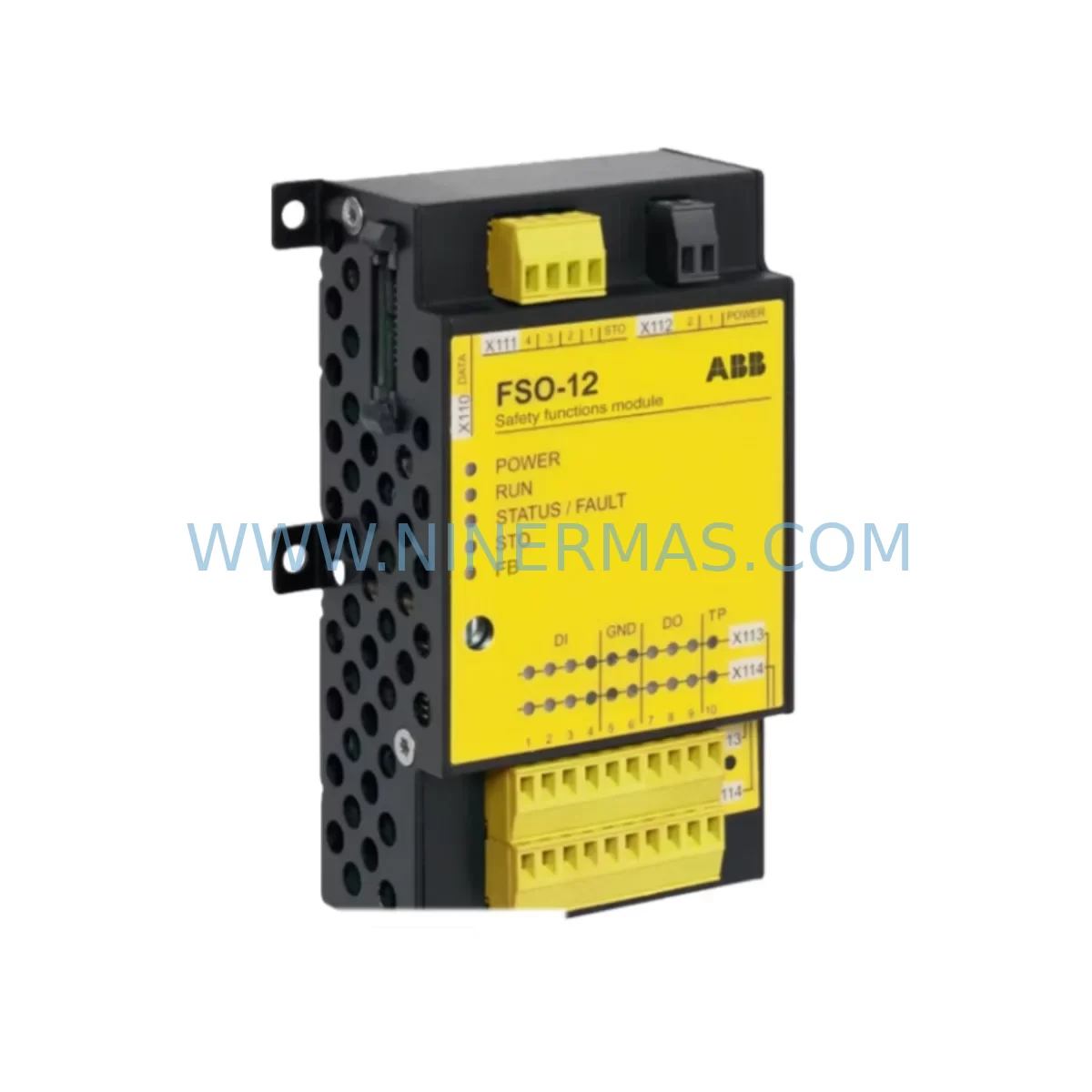
ABB FSO-21 Retrofit-Compatible Safety Module for Legacy Systems
Verify the part, confirm the platform family, and move straight into quotation with the right commercial details.
RFQ Ready
- SKUFSO-21
- CategorySIS Safety & Redundancy Systems
- BrandABB
- SupportAvailability, lead time, condition, and shipping coordination
How Buyers Usually Use This Page
- Confirm the exact part number and platform family before sending the quote request.
- Use direct email when quantity, condition, and destination are already defined internally.
- Switch to the broader brand or category archive when you need alternates nearby.
Series Navigation
Move through the most common platform families behind this part.
Product RFQ
Send this part directly for quotation.
Include quantity, required condition, destination country, and target delivery timing. Current reference: ABB FSO-21 Retrofit-Compatible Safety Module for Legacy Systems with SKU FSO-21.
ABB FSO-21 Retrofit-Compatible Safety Module for Legacy Systems
The ABB FSO-21 is a dedicated safety function module engineered for seamless integration into ABB ACS880 and ACS580 variable speed drive platforms. As industrial facilities face increasing pressure to modernize aging control architectures while maintaining production continuity, the FSO-21 has become a critical component in retrofit projects targeting legacy safety relay systems, outdated drive safety cards, and non-compliant SIL 2 / PLd safety loops. Whether you are replacing an end-of-life safety board, upgrading a control cabinet to meet current IEC 62061 or ISO 13849-1 standards, or migrating from a third-party safety relay to an integrated drive-based safety solution, the FSO-21 provides a validated, drop-in-compatible upgrade path with minimal rewiring and no changes to the core drive firmware.
The FSO-21 supports a comprehensive set of safety functions including Safe Torque Off (STO), Safe Stop 1 (SS1), Safe Stop 2 (SS2), Safe Operating Stop (SOS), Safely Limited Speed (SLS), Safe Speed Monitor (SSM), Safe Direction (SDI), and Safe Brake Control (SBC). These functions are activated via hardwired safety inputs or through FSoE (Fail-Safe over EtherCAT) protocol, making the FSO-21 compatible with modern safety PLCs such as the ABB AC500-S, Pilz PSS 4000, Siemens ET 200SP F-CPU, and other FSoE master controllers. For sites currently running legacy hardwired safety circuits, the FSO-21’s dual-channel digital inputs allow direct connection to existing E-stop loops, light curtains, and safety gate switches without requiring a full safety PLC upgrade.
Upgrade Compatibility Table
| Parameter | Legacy / Replaced Unit | ABB FSO-21 | Retrofit Notes |
|---|---|---|---|
| Compatible Drive | ACS880 / ACS580 (slot-based) | ACS880 / ACS580 Option Slot | Installs into Drive Option Module Slot 1 or 2; no drive replacement required |
| Safety Functions | External safety relay (e.g. ABB JOKAB, Pilz PNOZ) | STO, SS1, SS2, SOS, SLS, SSM, SDI, SBC | Eliminates external relay panel; reduces wiring complexity |
| Communication Protocol | Hardwired dual-channel 24 VDC | Hardwired + FSoE (Fail-Safe over EtherCAT) | Backward compatible with hardwired inputs; FSoE requires FSoE master |
| Safety Integrity Level | SIL 2 (external relay dependent) | SIL 3 / PLe capable (STO), SIL 2 / PLd (other functions) | Verify full safety loop SIL rating with risk assessment |
| Installation Space | External relay module (DIN rail, ~45–90 mm width) | Internal drive slot (no external footprint) | Frees cabinet space; confirm slot availability before ordering |
| Power Supply | External 24 VDC safety relay supply | Powered via drive backplane (internal) | No separate PSU required; verify drive backplane power budget |
| Parameter / Config Tool | Manual relay wiring / jumper settings | ABB Drive Composer Pro + Safety Wizard | Safety parameters locked with password after commissioning |
| Commissioning Requirement | Relay function test only | Full safety validation test per IEC 62061 / ISO 13849 | Validation report required; allow 4–8 hours for first-time commissioning |
| Warranty | Varies by relay manufacturer | 12-Month Warranty | Covered under NINERMAS standard 12-month warranty policy |
Retrofit Planning for Existing Automation Systems
Successful integration of the ABB FSO-21 into an existing production line begins well before the module arrives on site. The first step is a thorough audit of the current drive cabinet, including confirmation that the ACS880 or ACS580 drive has an available option module slot. Many older ACS880 installations already occupy Slot 1 with a fieldbus adapter such as the FENA-21 (EtherNet/IP / Modbus TCP) or FPBA-01 (PROFIBUS DP), so Slot 2 must be verified as free. If both slots are occupied — for example, by a FDNA-01 (DeviceNet) adapter alongside a legacy FSCA-01 serial communications module — a slot reassignment or cabinet redesign may be necessary before the FSO-21 can be installed.
Terminal wiring is the next critical checkpoint. The FSO-21 uses a dedicated 20-pin connector for its safety I/O, separate from the drive’s standard control terminal block (X1). Engineers migrating from an external ABB JOKAB Safety relay or a Pilz PNOZ X series relay must reroute the dual-channel E-stop and safety gate signals from the relay’s output contacts directly to the FSO-21’s STO_A and STO_B input pairs. Cable screening, cable routing separation from power conductors, and terminal torque values must all comply with the FSO-21 hardware manual (3AXD50000015612). For sites using a Siemens SIRIUS 3SK safety relay or an Omron G9SX in the same cabinet, the signal interface logic remains similar, but input voltage levels and response times must be cross-checked against the FSO-21 input specifications.
Where the retrofit involves a communication protocol migration — for instance, moving from a legacy PROFIBUS DP safety network to FSoE over EtherCAT — the FSO-21 must be paired with an FSoE master. In ABB-centric architectures, the AC500-S Safety PLC (e.g., SM560-S-FD-4 safety CPU) serves as the FSoE master, with the FSO-21 configured as an FSoE slave device. The FSoE address, watchdog timeout, and connection parameters must be set consistently in both the AC500-S project (configured via Automation Builder) and the FSO-21 safety wizard within Drive Composer Pro. For mixed-vendor environments where a Beckhoff CX2040 or a B&R X20 safety controller acts as the FSoE master, the FSO-21’s FSoE slave profile (ESI file) must be imported into the respective engineering tool before network commissioning can begin.
I/O expansion considerations are equally important. If the existing machine safety architecture relies on a distributed I/O system — such as an ABB CI854 PROFIBUS DP coupler feeding remote safety I/O modules, or a Siemens ET 200SP with F-DI modules — the migration to FSO-21 may reduce the number of remote safety I/O nodes required, since many safety functions are now handled internally by the drive. However, for multi-axis systems where several ACS880 drives share a common safety zone, each drive requires its own FSO-21 module, and the FSoE master must manage individual FSoE connections to each slave. The safety PLC program must be updated to reflect the new I/O mapping, and any HMI screens on a connected ABB CP600 panel or a Weintek cMT series touchscreen that display safety status signals must be revised to source data from the updated PLC tags rather than the legacy relay feedback contacts.
Before the retrofit window opens, a full backup of the existing ACS880 drive parameters using Drive Composer Pro (or the legacy DriveWindow 2 tool for older firmware versions) is mandatory. The parameter backup file (.dcp) should be archived alongside the safety validation report and the wiring diagram revision history. If the drive is running a customized application program via the ABB Adaptive Programming feature or a full IEC 61131-3 application loaded through the FENA-21 or FCAN-01 (CANopen) adapter, the program logic must be reviewed to ensure that any safety-related function blocks referencing the old relay feedback signals are updated to use the FSO-21’s status word outputs instead.
Downtime Control During System Migration
Minimizing unplanned downtime during an FSO-21 retrofit requires a structured migration plan that separates preparation work from the actual cutover window. The majority of pre-work — including cabinet wiring preparation, FSoE network configuration, Drive Composer Pro parameter file preparation, and safety PLC program updates — can be completed offline without interrupting production. A staged approach is recommended: first, install and wire the FSO-21 during a scheduled maintenance window with the drive powered down; second, perform a cold commissioning of the FSO-21 safety wizard with the motor uncoupled from the load; third, execute the mandatory safety validation test sequence (STO response time measurement, SS1 ramp verification, SLS speed window confirmation) before returning the drive to automatic mode.
To protect the original program logic during the cutover, the existing ACS880 parameter set and any loaded application program should be saved to both the Drive Composer Pro project library and a USB memory stick inserted into the drive’s front panel port. This ensures that if the FSO-21 commissioning encounters an unexpected fault — such as an FSoE communication timeout, a safety parameter checksum mismatch, or an STO wiring fault detected during the validation test — the drive can be restored to its pre-retrofit configuration within minutes, maintaining production continuity while the fault is investigated.
For multi-drive lines where several ACS880 units share a common conveyor or process section, a phased drive-by-drive retrofit approach is strongly preferred over a simultaneous all-drives cutover. This allows each FSO-21 to be individually validated and signed off before the next drive enters the retrofit window, reducing the risk of a line-wide safety system failure during commissioning. The total planned downtime for a single-drive FSO-21 retrofit, including wiring, commissioning, and validation, typically ranges from 4 to 8 hours for an experienced commissioning engineer familiar with the ABB Drive Composer Pro safety wizard workflow.
Retrofit Support FAQ
Q1: Is the ABB FSO-21 a direct drop-in replacement for an external safety relay currently wired to my ACS880 STO terminals?
Yes, in most cases. The FSO-21 replaces the function of an external safety relay by internalizing the STO, SS1, and other safety functions within the drive itself. However, the wiring must be rerouted from the relay output contacts to the FSO-21’s dedicated safety I/O connector, and a full safety validation test is required after installation. The FSO-21 is not a plug-and-play relay substitute — it requires configuration via the ABB Drive Composer Pro safety wizard and parameter password locking before it can be placed into service.
Q2: What commissioning tools and software are required to configure the FSO-21?
The FSO-21 is configured exclusively through ABB Drive Composer Pro (version 2.x or later) using the integrated Safety Wizard. A standard PC with a USB-to-drive connection via the ACS880 front panel USB port is sufficient for parameter configuration. For FSoE network commissioning, the FSoE master engineering tool (e.g., ABB Automation Builder for AC500-S, TwinCAT 3 for Beckhoff masters) is also required. NINERMAS supplies the FSO-21 with factory default parameters; all site-specific safety parameters must be configured and validated by a qualified safety engineer on site.
Q3: How do I verify compatibility between the FSO-21 and my existing ACS880 drive firmware version?
The FSO-21 requires ACS880 primary control program firmware version 2.60 or later for full safety function support. The drive firmware version can be checked via Drive Composer Pro (Parameter 7.05) or from the drive’s control panel display. If the installed firmware is older than 2.60, a firmware upgrade must be performed before the FSO-21 can be installed. NINERMAS recommends confirming the firmware version and option slot availability before placing your order to avoid delays during the retrofit window.
Q4: What does the 12-month warranty cover, and what is the stock availability?
All ABB FSO-21 modules supplied by NINERMAS are covered by a 12-month warranty against manufacturing defects and functional failures under normal operating conditions. Each unit undergoes pre-shipment functional testing before dispatch. We maintain in-stock inventory of the FSO-21 to support urgent retrofit and breakdown replacement requirements, with standard lead times of 3–7 business days for international shipments. Warranty claims are processed directly through NINERMAS; please retain the original packaging and test report supplied with the unit.
| Product Series | ACS880 |
|---|---|
| Country of Origin | SE |
Catalog Continuation
More ABB modules in the catalog.
Use the brand lane to compare nearby part numbers, platform-adjacent modules, and other inquiry-ready listings before sending your final RFQ.
SKU: DSQC611 3HAC13389-2
ABB DSQC611 3HAC13389-2 Service-Ready Spare for IRC5
SKU: HESG447440R0001 70BK03C-E
ABB HESG447440R0001 70BK03C-E Safety-Reliable I/O Module
SKU: PM632 3BSE005831R1
ABB PM632 3BSE005831R1 Retrofit-Compatible Processor for Legacy Systems
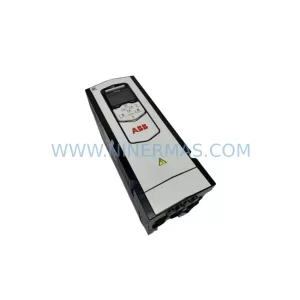
SKU: ACS880-01-04A8-5
ABB ACS880-01-04A8-5 Safety-Reliable VFD for Critical Control
Catalog Continuation
Alternative parts within SIS Safety & Redundancy Systems.
Stay inside the same system family when you need substitutes, adjacent modules, or a broader shortlist for procurement review.